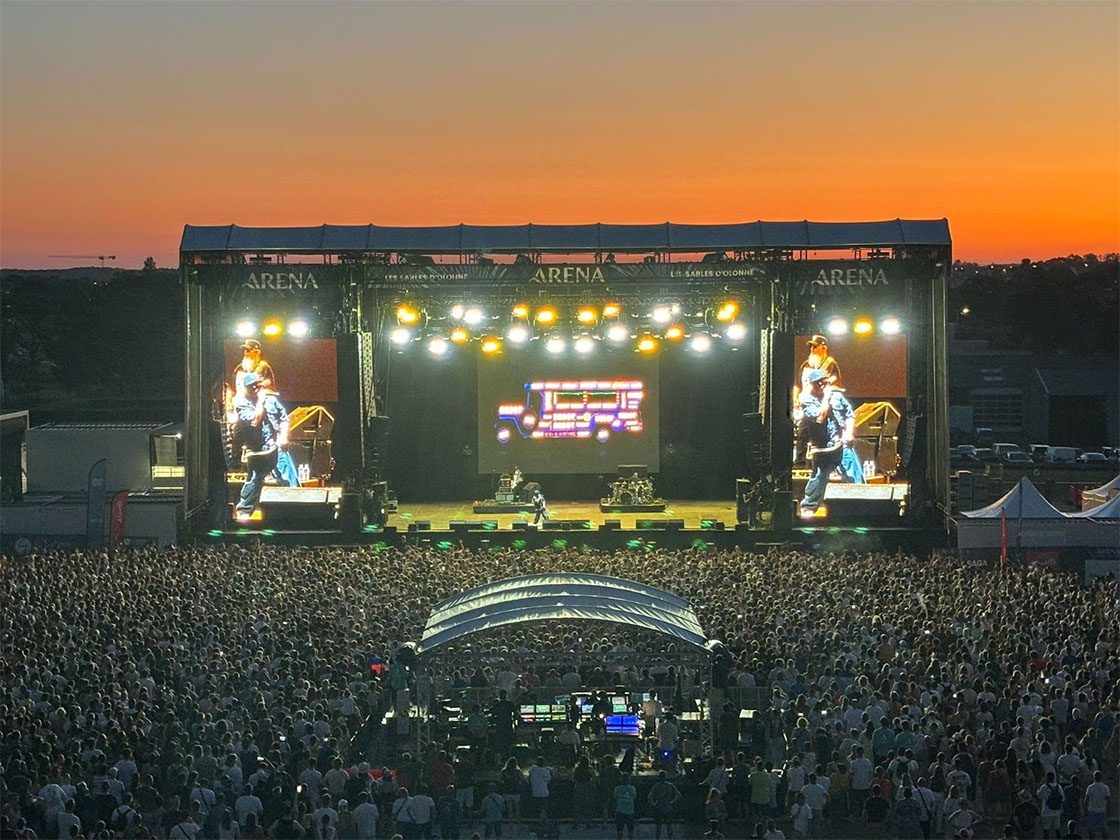
Planning a festival is both stimulating and demanding. Whether you are organising a music festival, a food and drink festival, or a cultural event, the planning process requires structure, creativity and coordination. From defining your festival theme to managing logistics, safety measures and ticketing, each decision contributes to delivering a memorable experience for your event attendees.
This ultimate guide explains how to plan a festival step by step, helping you structure your event planning approach and build a successful event that resonates with your local community and beyond.
To dig deeper, download the Practical Guide for Festival Organisers for free.
Summary
1. Define the main lines of the festival
Organising complex events such as festivals always begins with a clear vision. Before launching ticket sales or contacting partners, you need to define your festival goals and the overall direction of the project.
a) Define the raison d’être of your festival
Start planning by answering a simple question: why organise this festival? Your answer will help you shape the identity of your event, whether the objective is to raise awareness around a cause, raise money for a project, support local culture or create a new cultural event for your city. It will also allow you to calculate your event ROI.
Your positioning will also help you define your target audience, your programming and your marketing strategies.
Clarifying this vision early helps avoid last minute stress and ensures consistency across your communication, programming and partnerships.
b) Choose the type of festival
Determine what type of festival you want to create. The format will influence your logistics, entertainment costs and operational needs.
Examples include:
- Music festival with multiple stages and sound systems
- Food festival featuring local restaurants, food vendors and food trucks
- Drink festival highlighting craft beverages and local producers
- Cultural event celebrating local talent and different cultures
- Small local festival designed to attract a new audience
- Larger festivals requiring advanced infrastructure and safety measures
Your festival theme should reflect both your ambitions and the expectations of potential attendees. Think about the duration, the programme, the atmosphere and the type of activities you want to offer.
c) Select the right venue
Choosing the right venue is essential for creating a positive attendee experience.
The perfect venue should offer:
- Sufficient outdoor space or indoor capacity
- Easy access via public transport
- Parking facilities for attendees and suppliers
- Restroom facilities and toilet facilities adapted to capacity
- Emergency exits and compliant safety measures
- Space for food stalls, food trucks and catering services
- Areas adapted to multiple stages if necessary
When selecting your festival venue, consult venue owners early and ensure the location aligns with your festival goals and audience expectations.
d) Prepare a realistic festival budget
Budgeting is a key step in the festival planning process. Estimate potential costs and revenues as early as possible to ensure financial viability.
Typical budget items include:
- Artist fees and local talent programming
- Venue rental costs
- Sound systems and technical production
- Event staff and security teams
- Catering services and infrastructure
- Public liability insurance and health and safety compliance
- Marketing expenses and press releases
- Equipment rental and logistics
- Safety measures and emergency services
Always include a contingency margin of around 10–15% to cover unexpected costs such as inclement weather or technical issues.
e) Secure funding sources
Once you have estimated potential costs, identify funding opportunities to finance your event.
Common funding options include:
- Sponsorship from local businesses
- Partnerships with local vendors or local authorities
- Grants from cultural organisations or institutions
- Vendor participation fees for food vendors or local restaurants
- Crowdfunding campaigns to engage the local community
- Early bird tickets to generate early cash flow
- Donations to support a cultural initiative
Funding diversification reduces risk and supports the long-term sustainability of your next festival.
2. Find a name that reflects your festival identity
Your festival name contributes significantly to your branding and helps generate buzz before the event.
A strong festival name should:
- Be easy to pronounce and remember
- Reflect your festival theme and positioning
- Appeal to your target audience and local culture
- Be visually appealing when used on posters and social media
- Be unique compared to other festivals in the festival industry
Keep the name relatively short so it remains memorable and adaptable across communication materials.
3. Set up ticketing and start selling tickets
Selling tickets online helps structure your event planning and provides visibility on attendance forecasts.
An online ticketing system allows you to:
- Monitor ticket holders and expected attendance
- Perform access control on-site with QR code tickets
- Offer early bird tickets to encourage early commitment
- Create multiple ticket categories (VIP, camping, workshops)
- Sell complementary services such as parking access or premium areas
- Collect useful data about potential attendees
- Generate revenue before the event takes place
A dedicated website or ticketing page also centralises information and improves the attendee experience. Selling tickets early helps validate your concept and secure part of your budget in advance.
4. Build the right team and work with trusted partners
Even small local festival projects require collaboration between multiple stakeholders.
Depending on the size of your event, you may need:
- Event staff responsible for logistics, production and coordination
- Volunteers supporting operations on site
- Technical providers managing sound systems and lighting
- Catering services and food vendors
- Security staff ensuring health and safety compliance
- Cleaning teams maintaining the venue
- Designers producing visually appealing communication materials
Clear coordination between staff members helps ensure smooth operations and reduces risks during the event. Also, collaborating with local vendors and local businesses can also strengthen relationships with the local community.
5. Create a marketing strategy to attract attendees
To attract attendees, start communicating early and build anticipation around your festival.
Effective marketing strategies may include:
- Creating a dedicated website optimised for search engines
- Publishing press releases to reach media outlets
- Promoting the event on social media platforms
- Partnering with local authorities and organisations
- Working with influencers or ambassadors
- Sharing teasers and behind-the-scenes content
- Highlighting local talent participating in the event
- Promoting food stalls and unique experiences
- Launching competitions to generate buzz
Consistency across communication channels strengthens your credibility and increases your reach among potential attendees.
6. Plan operations to deliver a memorable experience
A successful event relies on detailed operational planning.
Key elements to anticipate include:
- Managing flows of event attendees across the site
- Coordinating schedules for performances across multiple stages
- Installing sound systems and technical infrastructure
- Organising signage to guide participants
- Ensuring public transport access is clearly communicated
- Providing sufficient restroom facilities
- Planning emergency exits and safety procedures
- Preparing contingency plans for inclement weather
Careful preparation improves the attendee experience and helps your event staff react quickly to unexpected situations. Well-structured organisation reduces stress and helps create a memorable experience for attendees.
7. Analyse results and prepare your next festival
Festival planning does not stop once the event ends. Post-event analysis helps improve future editions and strengthen your position in the festival industry.
After the event:
- Collect feedback from ticket holders through surveys
- Analyse attendance and engagement data
- Evaluate marketing strategies performance
- Review collaboration with suppliers and venue owners
- Measure whether your festival goals were achieved
- Share photos and videos to maintain engagement
- Thank attendees, partners, sponsors and staff members
- Maintain communication with your audience year-round with emailing campaigns
Maintaining contact with your community helps retain your audience and build loyalty for future editions. Continuous improvement is essential when organising larger events or expanding your concept.
8. Download the practical guide to festival planning
Would you like to go further and discover expert insights to structure your festival planning?
Download our Practical Guide for Festival Organisers and access detailed advice covering budgeting, logistics, marketing strategies and operational best practices.
This resource will help you start planning with confidence and build a successful event aligned with your ambitions.