For centuries, communities across Britain have gathered at the end of the harvest season to give thanks and share good food. If you’re working out how to organise a harvest festival this year, the format is up to you. It could be a church service, a school assembly, a village fair or a weekend food and drink event, but the aim is always the same: to celebrate the harvest with the people around you.
This guide explains where the tradition comes from and gives you eight practical tips for planning a harvest celebration that runs smoothly, from the first ticket sold to the last cup of cider.
Summary
What is a harvest festival?
A harvest festival is a celebration of the gathering of the year’s crops. In Britain, the tradition goes back to Lammas, or “loaf mass”, held on 1 August at the start of the wheat harvest. The first grain was baked into bread and brought to church as an offering. When the last crop was safely in, workers sat down to a Harvest Home supper, and corn dollies woven from the final sheaf were kept for luck until spring.
The church harvest festival we know today began in 1843, when Reverend Robert Hawker invited his parishioners in Morwenstow, Cornwall, to a special thanksgiving service. Victorian hymns such as “We plough the fields and scatter” helped the custom spread, and harvest festivals now usually take place in September or October.
Modern harvest events keep much of that spirit. You’ll often find local produce, harvest suppers, crafts, live music and a collection for a local food bank. It’s a flexible format that suits a parish hall as well as a field, and it sits comfortably alongside other cultural events in the autumn calendar.
How to organise a harvest festival in 8 steps
1. Decide on the purpose and format of your harvest festival
Start by deciding what your harvest festival is for, because every other decision follows from it. Common formats include:
- Church or community harvest: a thanksgiving service, produce displays and a shared supper, often with a collection or fundraising element.
- School harvest assembly or fair: pupils bring in donations, perform songs and run stalls, games and a tombola.
- Farm or orchard open day: tractor rides, apple pressing, pick-your-own and tastings of local produce.
- Harvest food and drink festival: local producers, street food, cider and ale, and live music, sometimes over a whole weekend.
If you’re raising money, our guide on how to organise a charity event covers setting targets and bringing sponsors on board. For larger, multi-day events, our festival solutions show how organisers manage everything from ticket sales to bar service.
2. Choose your date and site
Harvest festivals work best between mid-September and mid-October, when there’s plenty of produce and the evenings are still reasonably light. Before you fix a date, check the local calendar: neighbouring churches, schools and villages often hold their own harvest events, and a clash will split your audience.
Your site will shape the whole day. Village greens, school fields, church grounds and orchards are all popular choices, but each raises practical questions:
- Do you have written permission from the landowner?
- Is there parking, and safe vehicle access for traders?
- What’s your wet-weather plan? In a British autumn, a marquee or indoor fallback is essential.
- Where will toilets, first aid and waste points go?
Many of these checks, including permissions and public liability insurance, overlap with those in our guide to organising a car boot sale, which is well worth a read for community sites.
3. Set a realistic budget and sort your paperwork
List every cost before you commit: site hire, marquees, toilets, staging and sound, decorations, insurance, security, printing and performer fees. Then work out where your income will come from, such as tickets, trader pitch fees, bar sales, sponsorship and donations. Our guide to creating an event budget walks you through this step by step.
Leave plenty of time for licensing, too. If you’re selling alcohol in England or Wales, a smaller event may be covered by a Temporary Event Notice, which must be submitted to your local council well in advance. Food traders should have their own hygiene ratings and insurance. Check your local authority’s requirements early, as deadlines can easily catch first-time organisers out.
4. Plan a harvest programme with character
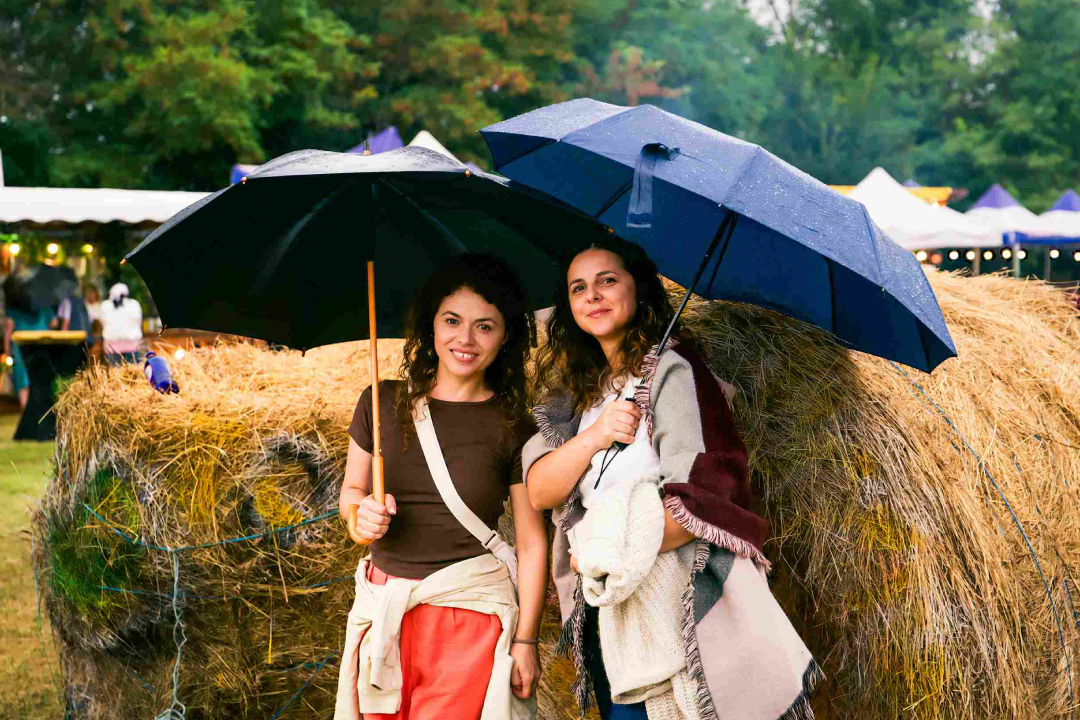
The best harvest festivals feel rooted in their season and their place. Ideas that work well include:
- Produce shows and competitions: biggest marrow, best jam, heaviest pumpkin.
- Hands-on activities: apple pressing, corn dolly weaving and bread-making demonstrations.
- Family entertainment: scarecrow trails, hay bale mazes, tractor rides and pumpkin carving.
- Live music: folk bands, a local choir or a ceilidh to round off the evening.
- A harvest supper: long tables, seasonal dishes made with local crops, and regional ales or cider.
For decorations, think hay bales, bunting, wheat sheaves, lanterns and warm autumnal colours. If you’re looking for more ideas to set the mood, our list of event theme ideas is a good place to start.
5. Set up ticketing, even if entry is free
Online booking tells you how many people are coming, which helps with catering, staffing and safety. With WeezTicket, our online ticketing solution, you can create a booking page in minutes and offer different ticket types, such as:
- Adult, child and family tickets
- Early bird prices to encourage people to book ahead
- Harvest supper add-ons with limited places
- Timed slots for popular activities like tractor rides
Our guide to event ticket types will help you choose the right mix. If you’d rather keep entry free, it’s still worth asking guests to book a free ticket. You’ll know your numbers in advance and can keep attendees updated if plans change.
Community harvest events often attract lots of walk-up visitors on a sunny day. On-site ticket sales let you welcome them without losing track of attendance.
6. Promote your harvest festival locally and online
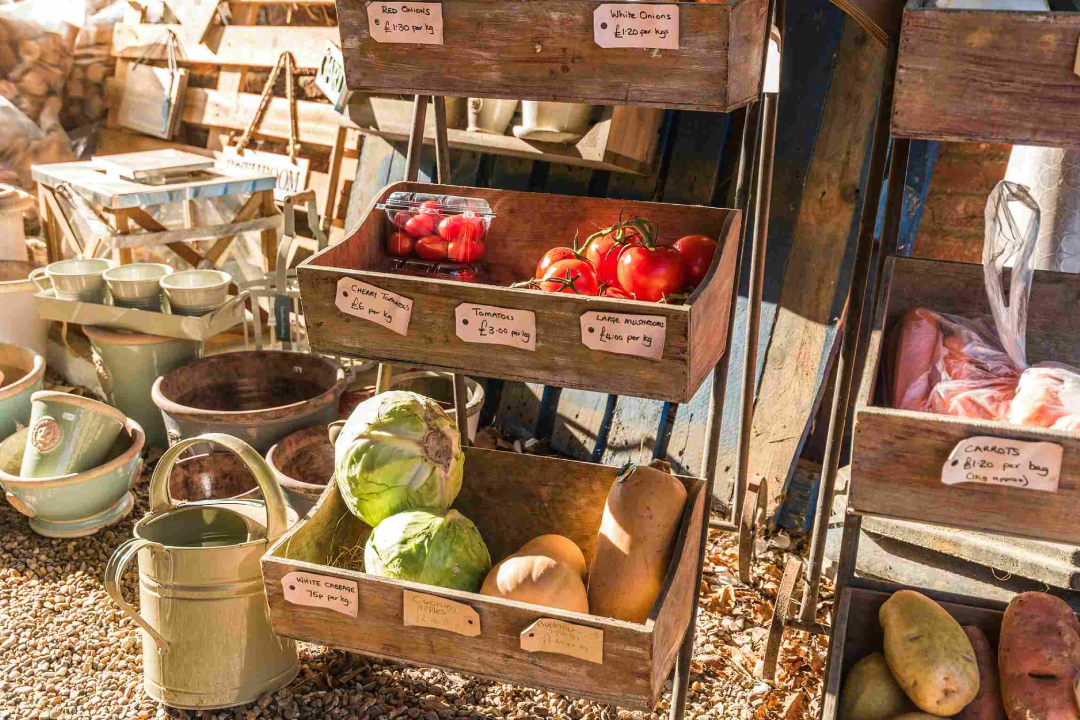
Most of your audience will live nearby, so focus your promotion locally first. Posters in shops and pubs, parish newsletters, school bulletins, local Facebook groups and your council’s “what’s on” calendar all help spread the word. Ask traders and performers to share the event with their own followers as well.
A dedicated event website gives you one place to publish the programme, a site map and FAQs, with booking built in. To plan your announcements, from the early bird launch to final reminders, see our guide to creating an event communication plan. For bigger events, our ticket sales strategies for festivals show how to keep sales steady right up to the day.
7. Make entry and payments quick and easy
Nobody wants to spend a crisp afternoon celebrating harvest in a queue. Using an access control solution can help keep the gate moving – something worth considering if you’re welcoming a significant number of attendees.
Once visitors are inside, they need to be able to make payments quickly and easily. Harvest festivals attract visitors from all demographics, so it’s vital that payment options are discussed with your vendors beforehand; they should be prepared to accept payments both in cash and by card, and if not, this should be advertised beforehand so attendees know what to expect.
Depending on the size and complexity of your festival, cashless payments can be a solid way to speed up service at the bar, food stalls and activities. With WeezPay, our cashless payment solution, attendees pay with a cashless card or wristband that they can top up online before they arrive. Traders and volunteers take payments on event POS systems, and you can see sales by stall and by hour. Cashless isn’t just for big festivals, either: here’s why it suits medium-sized events too.
A couple of other tools worth considering:
- Pre-orders for harvest hampers, supper places or produce boxes, ready to collect on the day.
- Smart cup management for reusable cider and ale cups, which cuts waste and fits a festival that’s all about the land.
Cashless in practice at Valley Fest
Valley Fest is a three-day family festival on the banks of Chew Valley Lake in Somerset, known for its focus on local food. When it returned in 2021 with around 10,000 attendees, the team switched to cashless with Weezevent. By promoting online top-ups through signage, QR codes and a cashless widget on their website, they kept the top-up points queue-free: 79% of top-ups were made online and only 1% in cash.
The festival also gained detailed data on what people bought and when, including which food stands were busiest at different times of day. That insight now shapes how the team plans future editions. Read the full Valley Fest story.
8. Recruit volunteers and review afterwards
Most harvest festivals rely on volunteers, from parishioners and parents to young farmers’ clubs. Recruit early, give everyone a clear role and brief the team before the gates open. Make sure they know the site layout, where first aid is and what to do if it rains. Tools for volunteer recruitment and volunteer planning help you fill shifts and avoid last-minute gaps.
After the event, look at your ticket and sales data alongside feedback from attendees, traders and volunteers. Which activities were busiest? When did queues build up? Did the harvest supper sell out? Note down what you’ve learnt while it’s fresh, so next year’s harvest festival is even easier to plan. If you’re already looking ahead in your events calendar, our guide to planning a Halloween event is a natural next step.
Bring your community together this harvest
Now you know how to organise a harvest festival, you can shape the tradition to suit your community, whether that’s a parish hall, a school field or a farm. With a clear purpose, a well-chosen site and the right tools for ticketing, entry and payments, you’ll spend less time managing queues and more time enjoying the harvest celebration with everyone who came.