You want your free event to be easy to attend. So why ask people to book a ticket when there’s nothing to pay? It can feel like an unnecessary step, but a free ticket can do more than you might expect. Here’s why ticketing deserves a place in your plans, even when admission costs nothing.
Summary
1. Will asking people to register cost you attendees?
It is a valid concern. Any extra step creates friction, and a long or confusing registration process loses registrations. But removing registration does not guarantee higher attendance. It simply leaves you with less visibility into who genuinely plans to come.
Our own UK data for 2026 shows that free ticketing is a significant use case. Of the 3,749 UK organiser accounts that had already distributed tickets this year, 401 were classified as free-ticket accounts. Together, these organisers created 1,255 events, representing 11.7% of all events created by this group. This gives Weezevent direct experience of free ticketing across more than a thousand UK events this year.
A short, clearly free registration process turns vague interest into an active commitment. Attendees receive a confirmation email, have the event details to hand and receive reminders before the day. This does not eliminate no-shows, but it gives people more reason and opportunity to follow through than a like, page view or “Interested” click.
The key is to keep the process proportionate. Make it clear from the first click that no payment is required, ask only for essential information and make the form quick to complete on a phone. If your event relies on spontaneous attendance and capacity allows it, encourage advance registration while still accepting walk-ins. If capacity must be controlled, make registration compulsory and explain why.
The goal is not to place a barrier between people and your event. It is to create the lightest possible step from interest to attendance.
2. Get a better idea of how many people are coming
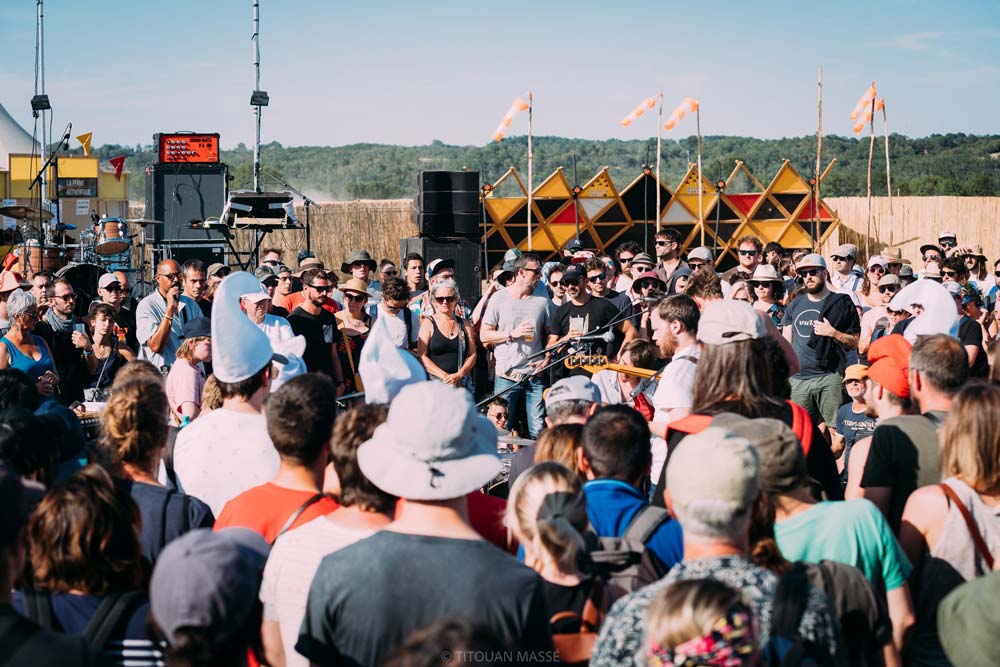
Free events are difficult to forecast. Public interest often looks strong, but impressions, likes, followers and page views do not tell you how many people will arrive on the day.
Registration gives you a much more useful estimate. It helps you plan:
- Staffing and entrance capacity
- Catering and stock
- Seating and room allocation
- Security and crowd management
- Toilets, parking and other facilities
- Session sizes and time slots
- Opening an extra room or venue
Registration also lets you set a maximum quota so registrations stop when your available capacity has been reached. For events with different activities or arrival times, sessions divide registrations across the programme and give each one a specific quota.
A claimed ticket is not guaranteed attendance. Your forecast must account for registered attendees not arriving, especially when the event is free. Over time, comparing registrations with the number of people who enter gives you an attendance rate based on your own audience. This makes planning future editions more accurate.
3. Make sure attendees receive the right information

Social media is useful for discovery, but unreliable as your only communication channel. Algorithms decide who sees an update, posts are easily missed and important information disappears in a busy feed.
Ticketing gives you a direct line to registered attendees. The confirmation email immediately provides the essential details, while follow-up emails remind them about the event and communicate changes.
Include:
- The date, time and exact location
- Directions and transport information
- Entry instructions
- Accessibility information
- Programme or session details
- Items to bring or leave at home
- Weather advice
- Last-minute changes
This is especially valuable when practical information changes shortly before the event. Instead of hoping that attendees notice another social media post, contact the people who have actually registered.
Clear communication also supports attendance. A well-timed reminder brings the event back into someone’s mind and gives them everything they need to arrive prepared.
4. Learn who your audience is
Without registration, your audience remains largely anonymous. Even when you know how many people attended, you do not know where they came from, how they discovered the event or what interested them.
A carefully designed registration form collects useful information before the event. Depending on your goals, collect location, age group, professional profile, areas of interest or the channel that led to the registration.
The aim is not to collect as much data as possible. Every question creates additional work for the attendee and risks lowering the number of completed registrations. Ask only for information that has a clear purpose.
With the appropriate marketing consent, this data also helps you reconnect with attendees after the event. Use it to share a feedback survey, announce the next edition or create more relevant campaigns for different audience groups.
Treat operational emails about the event and future marketing messages separately, with the correct permissions in place. Registration gives you control of your audience data, but it does not remove your responsibility to use that data carefully.
5. Give your campaign a clear call to action
“Find out more” gives people information, but it does not move them closer to attending. “Claim your free ticket” is clearer, more active and measurable.
A ticketing page gives every campaign a single destination. Social posts, emails, partner websites, posters and QR codes all direct people towards the same action. You then measure registrations instead of relying only on reach and engagement.
This makes campaign performance easier to understand. If one channel generates a large number of views but few registrations, it attracts attention without creating real intent. If another generates fewer clicks but more claimed tickets, it reaches a more relevant audience.
For an attendee, the next step is equally clear: read the information, choose the relevant ticket or session and register.
6. Bring all essential information together
Information about a free event is often spread across several places. The programme is on one social platform, transport details are on a website and the latest update is hidden in a post or comment.
A dedicated ticketing page gives attendees one reliable source of information. Use your ticketing page to explain:
- What the event is and who it is for
- That admission is free
- Whether advance registration is required
- When and where the event takes place
- What the programme includes
- How to reach the venue
- What attendees need to know before arriving
Make it unmistakably clear that the ticket is free. If registration is compulsory or capacity is limited, state that prominently too. Attendees must understand the value of registering without wondering whether a fee will appear later in the process.
Integrate the ticketing page into your own website so attendees register within your event’s digital environment.
7. Check attendees in for free
Once attendees have claimed their free tickets, you also need a way to check them in. The free WeezAccess app turns your smartphone or tablet into a ticket scanner.
Download the app from the App Store or Google Play, log in with your Weezevent account, select the relevant attendee list and scan digital or printed tickets using your device’s camera.
For smaller events or entrances with a manageable flow, this provides a straightforward way to validate tickets without investing in dedicated scanning equipment. Scanning also lets you compare registrations with actual attendance, giving you more accurate forecasts for future editions.
As your event grows
As your event grows or arrivals become more concentrated, personal phones may no longer provide the scanning capacity you need. In that case, we recommend WeezAccess Pro devices. These paid professional devices handle more intensive access control operations.
The right setup depends on your expected attendance, number of entrances and arrival patterns. Start with the free app and move to WeezAccess Pro when your event requires greater scanning capacity.
How to set up free ticketing with WeezTicket
With WeezTicket, set up and manage registrations for a free event in a few clear steps:
- Create your Weezevent account
- Create your event and add its practical information
- Create a ticket type and set its price to zero
- Set the total number of tickets available
- Add sessions and individual quotas if your event has different time slots or activities
- Build your ticketing page with the complete event information, making it clear that admission is free
- Publish the ticketing page and use “Claim your free ticket” as the call to action across your communication channels.
Once registration opens, follow demand, manage attendee information and ensure registered participants receive their confirmation and practical details.
Most importantly, WeezTicket and WeezAccess are free to use for free events. When the ticket price is zero, there are no ticketing fees for you or your attendees. This adds structure, visibility and control without adding cost.
With WeezTicket, you give every interested visitor a clear next step: claim a free ticket. WeezTicket is free to use for free events, turning online attention into an audience you can plan for without adding cost for you or your attendees.
Free admission should make your event more accessible, not leave you organising blindly.