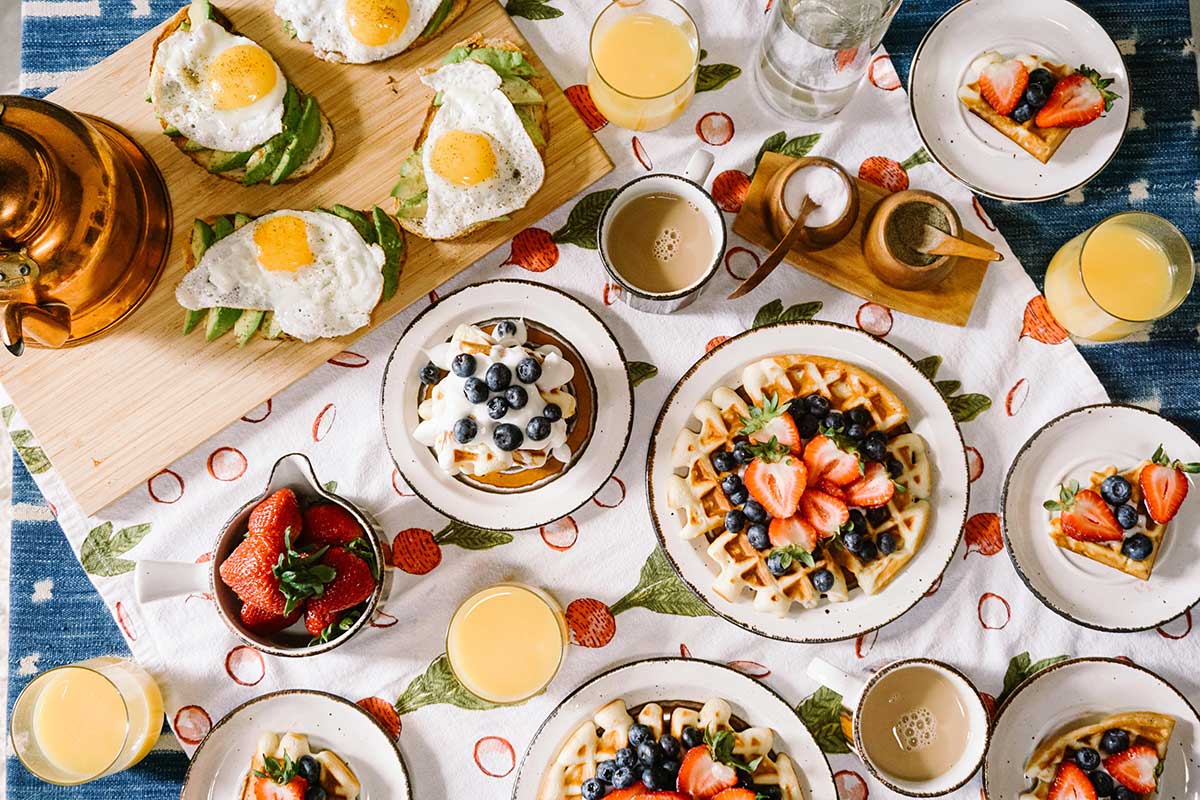
If you want to host a brunch for your friends, family, or other loved ones, whether for a birthday, wedding, or other special occasions, a well-planned brunch event can create a truly memorable experience. A relaxed atmosphere, delicious food, and good food ideas help transform a simple weekend breakfast into a real party moment.
Brunch combines the best of breakfast, lunch, and even early dinner inspiration. From pancakes, eggs, bacon, cheese, toast, and dessert, there are endless brunch recipes and favorite recipes to explore. Some hosts prefer a bottomless brunch style with drinks served over several hours, while others choose a quieter lazy weekend brunch, simply enjoying time together. Planning ahead helps you create a balanced menu, define your budget, organise your guest list, and choose the right venue or location.
While organising a brunch can be enjoyable, it is best to be well prepared to ensure nothing is forgotten. Here are some tips and ideas for organising a brunch that is both delicious and successful.
Summary
1. For what occasion are you organising your brunch?
You need to consider the occasion for the brunch. Are you celebrating a birthday, wedding, engagement, or another special occasion? Or do you simply want to host a brunch party for the pleasure of a Sunday morning breakfast with your partner, friends, or family?
A brunch can also be organised for no specific reason other than enjoying good food together. Whether it is a weekend brunch, a casual party, or a themed event, defining a clear theme helps create a more cohesive experience.
The occasion of your brunch will influence decoration, invitation tone, and the type of menu you will serve. A brunch usually takes place between 10 am and 2 pm, allowing guests to enjoy a relaxed rhythm between breakfast and lunch.
2. Make your guest list
You need to decide how many guests you want to invite and define your guest list carefully. You may prefer an intimate gathering with close friends and family, or organise a larger event in a bigger venue.
Considering dietary preferences is essential when planning a successful brunch menu. Some guests may avoid certain ingredients such as eggs, cheese, or bacon, while others may prefer vegetarian or vegan dishes.
Sending an invitation early allows guests to plan their weekend schedule and increases the likelihood of attendance. A well-prepared guest list helps you adapt quantities of food, drinks, and dessert recipes.
3. Manage registrations and anticipate attendance
Structuring registrations in advance helps you better organise your brunch and anticipate how many guests will attend. An online registration solution allows you to:
- track your guest list and expected attendance
- limit the number of participants based on the available space
- adapt menu quantities and reduce food waste
- collect useful information such as dietary preferences or allergies through a form
- share a dedicated page gathering all the practical event information, aligned with your visual identity
Setting up an online registration solution, even for a small group, simply helps you know who is actually coming and avoids endless back-and-forth messages to confirm availability. You can centralise responses, adjust quantities accordingly, and share key information in one place without multiplying messages.
4. Choose the venue
Do you want to organise your brunch at home, in your dining room, or in a larger venue? The amount of space available will determine how many guests you can comfortably host.
Many restaurants offer flexible brunch venues, including options with a private room or adaptable space for group events. Choosing a location with natural light can enhance the overall atmosphere and create a welcoming environment.
If you expect a higher number of guests, consider larger venues with seating arrangements that allow people to move freely between the table, bar, and buffet area. Some venues also offer a set menu, helping you manage your budget while ensuring consistent food quality.
4. The most important part of a brunch: the menu
The menu is central to any successful brunch event. Offering a balance of sweet and savoury dishes allows every guest to find something they enjoy.
Popular brunch recipes include fluffy pancakes, toast, eggs, bacon, baked options such as french toast casserole, and spreads like lemon curd. Adding fruit provides a lighter option and balances richer food choices.
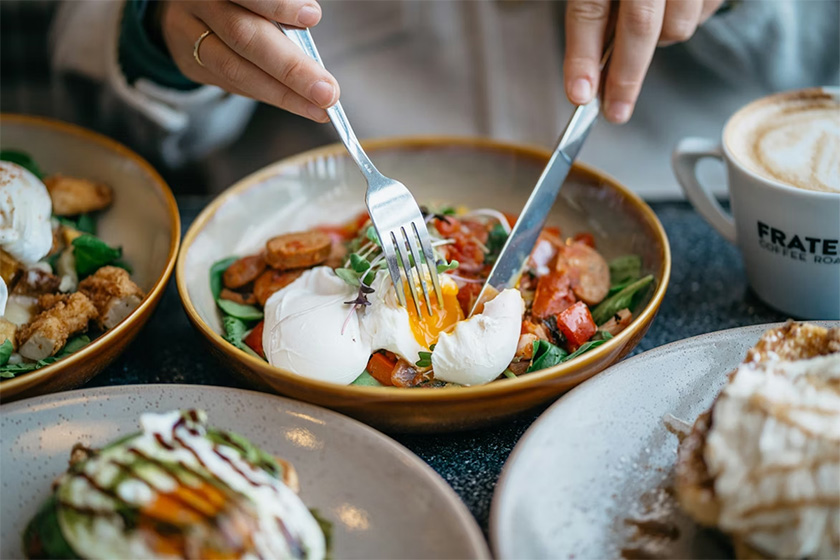
Try to create variety by including both classic favorite recipes and more inspired dishes. Guests should be able to eat, explore flavours, and enjoy the food experience together.
You may choose to cook everything yourself, hire a caterer, or collaborate with restaurants offering brunch services. Planning the menu in advance helps you define quantities of food, organise preparation time, and build a clear cooking schedule.
5. essential elements for a brunch
- Drinks: refreshing drinks are essential to complement your brunch food. Coffee, tea, juices, and cocktails are common choices. Some venues or restaurants in London even offer bottomless brunch options, creating a more festive party atmosphere.
- Fruits: serving fruit adds colour, freshness, and balance to the menu. Fruit salads, skewers, or simple sliced fruit options allow guests to enjoy something fresh between richer dishes.
- Eggs: eggs are one of the most versatile ingredients for brunch recipes. Scrambled eggs, poached eggs, or eggs Benedict are classic dishes that are easy to cook and serve.
- Bread: bread varieties such as sourdough or multigrain complement many brunch dishes, especially when paired with cheese, eggs, or spreads served on toast.
- Desserts: sweet dessert recipes such as brownies, waffles, or pancakes complete the brunch menu and contribute to a more amazing experience.
6. Practical extras for a stress-free brunch
Atmosphere & styling (colours, tableware, music)
Choose a simple theme (spring pastels, American diner red & white, Scandinavian wood & white): a tablecloth, matching napkins, and coordinated tableware (or a confident mix & match) can make a big difference. Add candles, flowers, or handwritten menus for a personal touch. Soft background music or a relaxed playlist helps create a welcoming atmosphere without overpowering conversation.
“Stations” that make everything easier
Setting up self-serve areas helps streamline preparation, avoids queues, and brings a refined buffet feel at home.
Hot drinks station
Coffee machine, teapots, hot chocolate (in winter), dairy and plant-based milk options, unlimited hot drinks.
Toast station
Bread selection (bagels, sliced bread, sourdough), butter, jam, chocolate spread, honey.
Pancake or waffle station (a nod to the US brunch)
Toppings such as maple syrup, dried fruit, banana, yogurt, granola.
Savoury platters
Cheese, cold cuts, raw vegetables, smoked salmon, eggs (scrambled or baked).
Suggested quantities (adapt depending on timing)
- Bread & pastries: 120–150 g per person
- Eggs: 1–2 per person
- Savoury items (cold cuts / cheese): 100–150 g per person
- Fresh fruit / fruit salad: 150 g per person
- Pancakes / waffles: 2–3 per person
- Drinks: 1 large hot drink + 250–300 ml juice or smoothie per person
Planning ahead (quick timeline)
2–3 days before: finalise your shopping list and invitations (email or RSVP including date, location, timing, theme, whether children are welcome).
The day before: prepare quiche, granola, fruit salad, pancake batter (rest in the fridge), chopping and allergen labels.
On the day (morning): set the table and stations, chill drinks, preheat the coffee machine, take dishes out in advance so everything is ready.
During the brunch: refill platters regularly and keep an eye on drinks.
Afterwards: separate bins (glasses, plates, cutlery), dedicated bags, quick rinse for an easier clean-up.
If you are thinking of organising a brunch, you will probably need an online registration platform like WeezTicket to better manage your attendees. Weezevent also supports you with its access control solutions and marketing and CRM tools!
FAQ
Q: How do I host a brunch that feels special but still relaxed?
To host a brunch successfully, focus on a welcoming space, a clear menu, and thoughtful details that create a relaxed atmosphere. A carefully prepared table, soft natural light, and a simple theme help create a memorable experience without exceeding your budget. These little tips help your guests feel comfortable simply enjoying time with friends, family, and other loved ones.
Q: What are the best brunch venues in London?
Whether at home, in a private dining room, or in one of the many brunch venues or restaurants in London, particularly in Central London where larger venues are common — choosing the right space with natural light helps create a welcoming atmosphere.
Q: How do I choose the right venue to host a brunch?
Choosing the right venue is an important step when you plan to host a brunch event. The location should offer enough space for your guests to move comfortably between the table, buffet area, or dining room. Some restaurants or brunch venues also offer a private room, which can be ideal for special occasions such as a birthday, wedding brunch, or small party with friends and family. Selecting a suitable venue helps create a comfortable environment and contributes to a more memorable experience for everyone.
Q: How many guests should I invite to a brunch party?
Your guest list should match the size of the venue, the available space, and the type of event you want to create. Inviting the right number of guests helps maintain a good balance between atmosphere and comfort. Whether you invite close friends, extended family, or colleagues, the objective is to create a friendly party where every person can interact naturally.
Q: Do I really need registrations to host a brunch?
Even for an informal brunch, having confirmations helps you know exactly who will attend. This makes it easier to plan quantities of food, organise the space, and avoid last-minute uncertainty.
Q: How can I manage my guest list efficiently?
Using a single shared page or registration form allows you to centralise responses in one place. This avoids long message threads and gives you a clear overview of confirmed guests.
Q: What food should I serve at a brunch?
Classic brunch recipes include a variety of sweet and savoury dishes. Popular choices include fluffy pancakes, eggs, bacon, cheese, toast, and fresh fruit. You may also include a baked recipe such as french toast casserole served with lemon curd for a refined touch. Combining different types of food ensures guests can eat according to their preferences and enjoy a truly delicious experience.
Q: How do I create a balanced brunch menu?
A good menu combines elements of breakfast, lunch, and even light dinner inspiration. Mixing fresh ingredients, comforting favorite recipes, and visually appealing dessert options helps create a varied selection of dishes. A well-designed menu ensures guests can enjoy both good food and an amazing culinary experience.
Q: Should I cook myself or hire a caterer?
If you enjoy to cook, preparing each recipe yourself allows you to personalise the menu and control the food quality. For larger events, you may prefer to hire catering services or collaborate with restaurants offering a set menu adapted to your budget. Preparing a clear cooking schedule helps you plan efficiently and ensures each dish is ready to serve at the right moment.
Q: How can I make my brunch more fun for guests?
Adding interactive elements can make your party more engaging and increase the overall fun. Consider creative ideas such as personalised add ons, themed decorations, or live preparation of pancakes or eggs. A well-defined theme helps create a coherent experience and encourages guests to spend more time interacting.
Q: Is a brunch suitable for special occasions?
Yes, brunch is particularly suitable for special occasions such as a birthday, wedding, or celebration with friends and family. Hosting a weekend brunch party allows guests to gather in a relaxed setting during the day or even continue the celebration into the night, creating a warm and memorable event.
Q: How do I plan a brunch step by step?
Start by selecting the right location and defining your guest list. Then choose a suitable venue, define your menu, send your invitation, and organise your table layout. Taking time to properly plan each detail helps you host a brunch that feels natural, well organised, and enjoyable for all your guests.