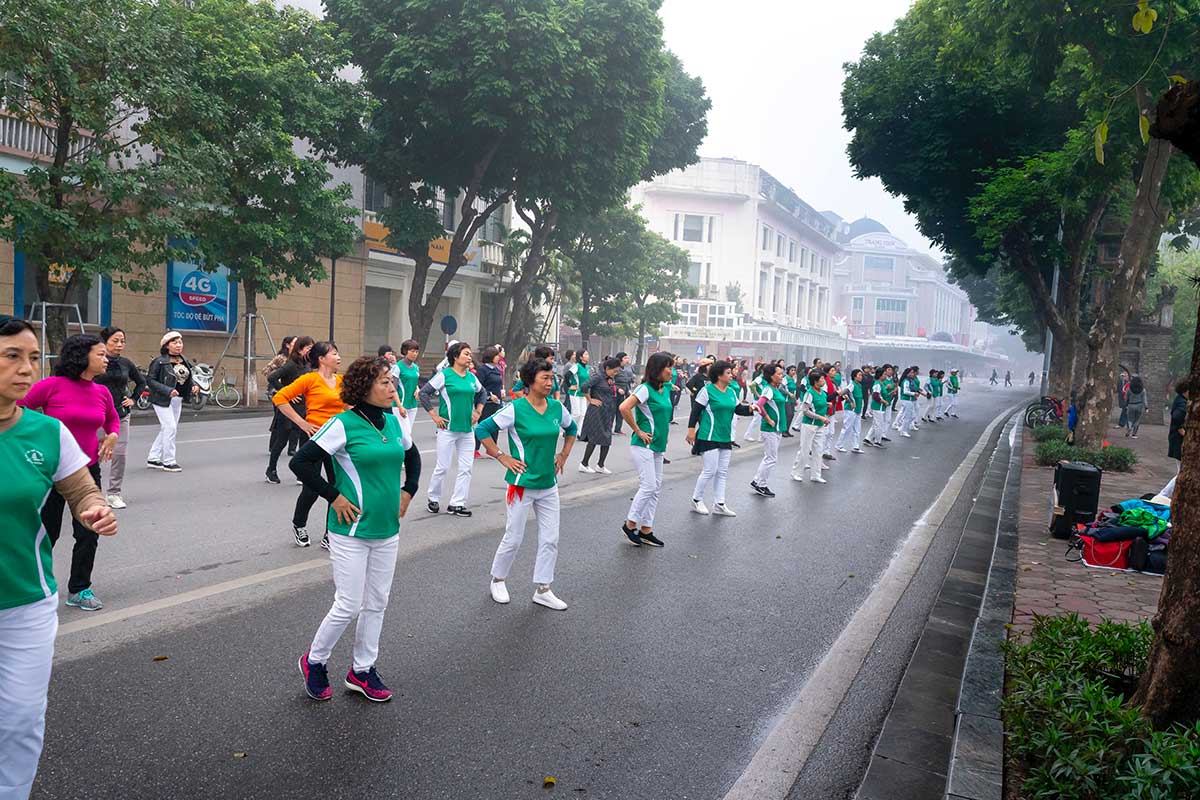
Flash mobs have become a global trend across the world, offering an entertaining and unexpected flash mob experience for both participants and spectators. A flash mob usually involves a group of people who assemble suddenly to perform a choreographed dance routine to a chosen song in a public place, often to celebrate a special occasion, support a client activation, or raise awareness for a cause.
Whether you want to organise a flash mob for a social cause, weddings, a birthday celebration, or simply for fun, following a clear plan will help you create a memorable event. Many organized flash mobs started from simple ideas that became viral, proving that a strong concept can quickly capture attention.
Summary
What Is a Flash Mob ?
A flash mob happens when a group of performers suddenly perform a coordinated act in a public place for a brief time, then quickly disperse as if nothing happened. The surprise element creates an emotional reaction that audiences remember and often film or watch again through video or shared footage online.
A well-prepared flash mob performance can support an upcoming event, product launch, or communication campaign. Many companies and previous clients use flashmob events to generate interest, strengthen brand visibility, and encourage people to participate in something unique. Because the performance feels spontaneous yet carefully structured, the flash mob experience often feels more authentic than traditional advertising. This explains why flash mobs continue to happen in major cities such as Central London, where a busy location helps maximise visibility.
Step 1: define the objective of your flash mob
The first step to organise a flash mob successfully is to clearly define the objective of your event.
- Do you want to promote a cause?
- Do you want to celebrate a special occasion?
- Do you want to create a memorable flash mob experience for your friends, family, or colleagues?
Some possible ideas include launching a new website, celebrating company milestones, surprising guests, or creating a funny moment that people will watch and share online.
Once your objective is clear, you can begin putting together your organisation and determine which people will be involved. You may assign roles to members of the group, such as coordinating dancers, managing the venue, or handling communication. A clear objective helps ensure everyone understands the purpose of the event and encourages people to join the initiative.
Step 2: choose the location and date
To organise a successful flash mob, you need to select the right location and date.
A public place with enough space big enough for a group performance is ideal. Busy streets, squares, transport hubs, or shopping centres offer strong visibility and allow the flash mob performance to reach a larger audience. When selecting the location, consider foot traffic, accessibility, and whether permits are required. Some venues may request prior authorisation depending on the country and local regulations.
Choosing the right date helps determine how many people will participate and ensures the event attracts attention. Peak hours often increase the chances of spectators watching, filming video, and sharing the flash mob experience online.
Manage registrations and anticipate attendance
Structuring registrations in advance helps you better organise your flash mob and anticipate the actual number of participants on the day, while offering a smooth and user-friendly registration experience. An online registration solution such as WeezTicket allows you to centralise all useful information and coordinate your group more easily:
- track your participant list and attendance confirmations
- limit the number of registrations based on available space or location constraints using quotas
- collect useful information via a form (dance level, rehearsal availability, preferred role, video recording consent, costume size)
- share a dedicated mini-site gathering all practical information such as location, date, schedule, dress guidelines, and publish it in just a few clicks
- easily communicate important updates without multiplying messages
Setting up a registration solution, even for a flash mob organised with a small group, helps you know exactly who will participate and avoids endless back-and-forth messages to confirm availability. You centralise responses and ensure a smoother organisation overall.
On the day of the performance, an access control solution allows you to quickly verify participant attendance, streamline check-in, and ensure that only registered participants access the preparation area or reserved spaces. This guarantees better group management while simplifying on-site logistics.
Step 3: communicate about the event
Clear communication is essential to organise a flash mob effectively.
Use messaging apps, website pages, or private groups to share details, rehearsal schedules, and important information. Good communication ensures every person involved understands their role in the performance.
To promote the event, consider publishing content on blogs, social media, or community platforms. Sharing rehearsal video clips or teaser footage can increase interest and encourage people to participate. You may also include a contact form on your website so new members can join the group easily. Many flashmob events become viral because participants share the experience with their friends and network.
Encourage people to register in advance to simplify the organisation and plan rehearsals more efficiently.
Step 4: create the choreography
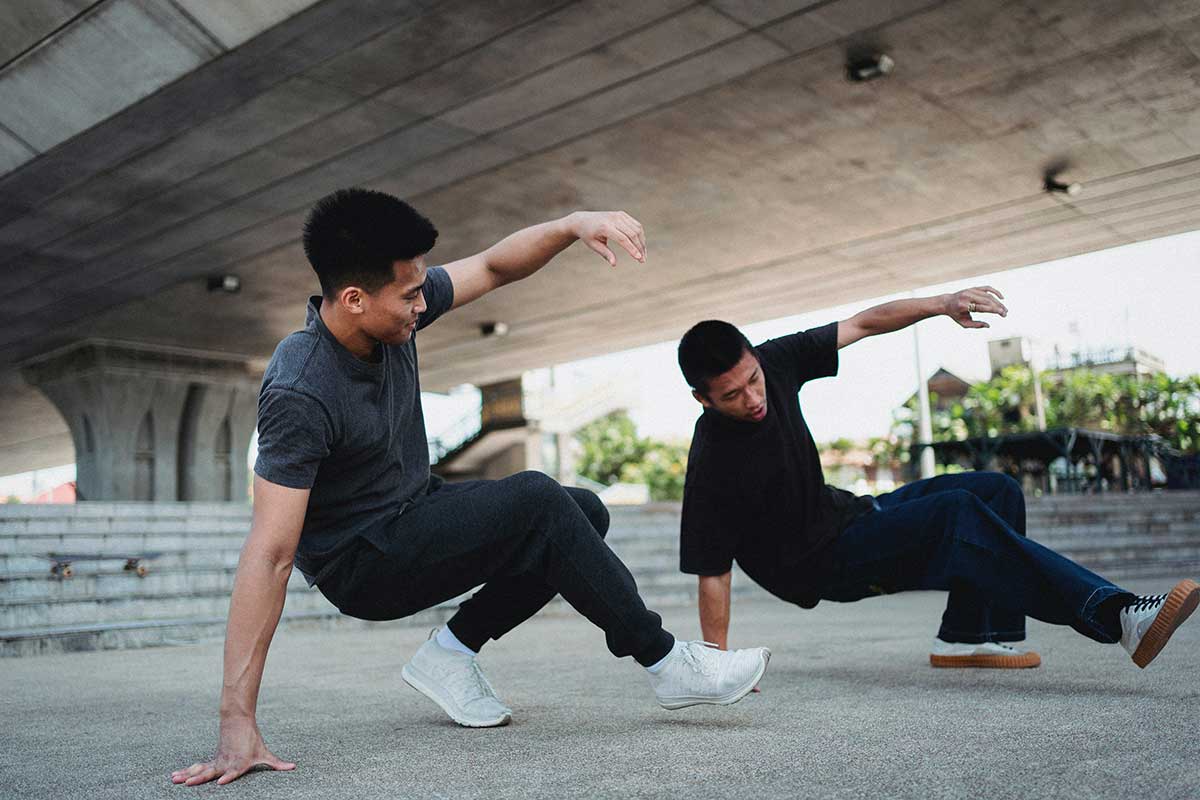
The choreography is the core of every flash mob performance. Choosing the right song and music helps define the energy of the dance routine.
Simple and memorable movements allow more participants to feel comfortable taking part in the performance. Even a small group can create a strong visual impact when the dance is synchronised. The best flash mob experience often comes from accessible choreography that does not require advanced professional skills. Keeping movements simple helps encourage people to participate confidently.
If possible, provide tutorial video content so performers can practise independently and feel prepared for the event.
Step 5: plan accessories and outfits
Accessories help create a cohesive visual identity for the flash mob performance.
Props such as hats, scarves, signs, or coordinated outfits strengthen the visual surprise and reinforce the idea behind the event. Some companies or clients choose branded t-shirts to communicate a message or promote an upcoming event. Others prefer creative costumes linked to the song, theme, or act.
Clearly communicate outfit details so every participant understands what to wear. This helps ensure consistency across the group and improves the final performance.
Step 6: schedule rehearsals
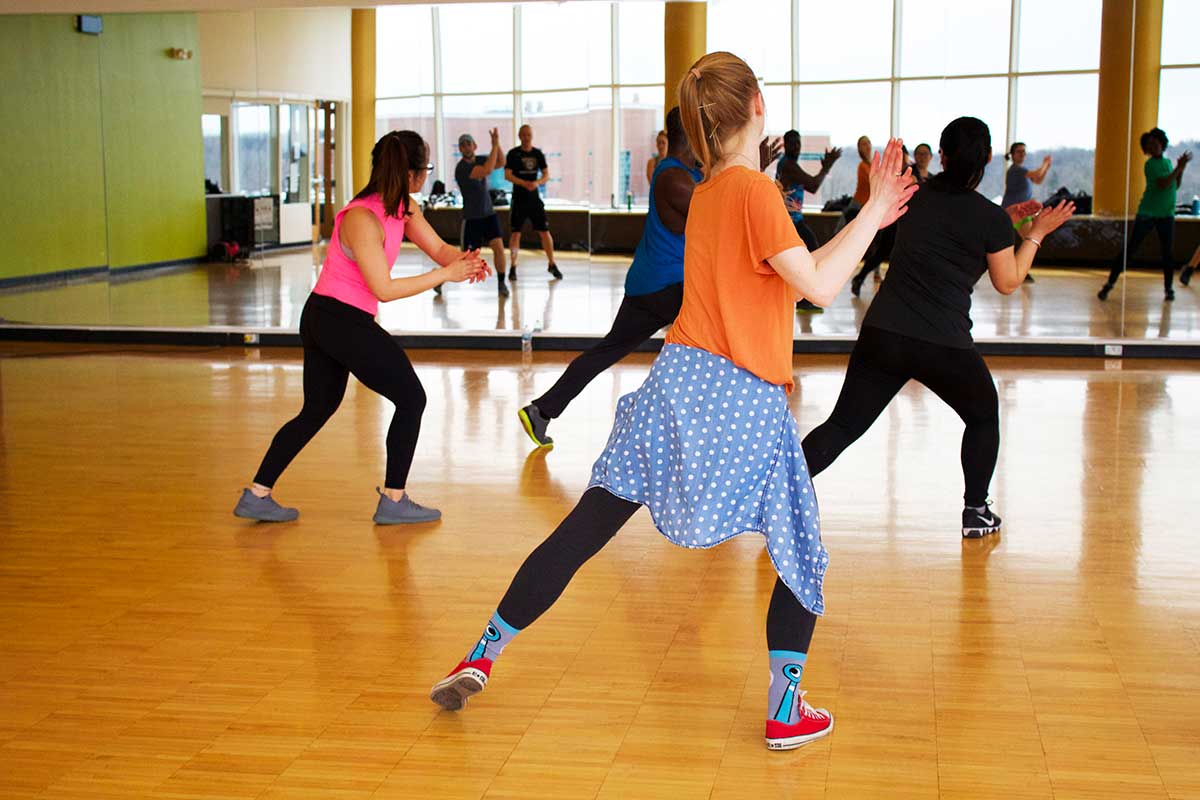
You may book a venue or rehearse online using shared video tutorials. Repeating the dance routine helps participants build confidence and develop the necessary skills. Practising together strengthens the sense of group cohesion and ensures the performance looks natural when it finally happens.
Some organisers also record rehearsal footage so members can review movements and improve timing.
Step 7: prepare for the big day
The day of the flash mob event has arrived.
Final checks help ensure the organisation is complete and the group is ready to perform.
Tips:
- Organise a final rehearsal to confirm the choreography
- Arrive early at the location to understand the space
- Check music, sound equipment, and visibility
- Assign people to capture video and film the performance
Capturing the moment helps extend the flash mob experience beyond the live event, allowing people to watch and share the performance online.
A successful flash mob often generates long-term visibility through shared video footage, increasing the impact of the event even after the act has ended.
Don’t wait any longer, organise your flash mob with the right Weezevent solutions: registration management, ticketing (if needed), and logistical coordination. You’ll benefit from a practical, all-in-one platform to help ensure your event is a success.