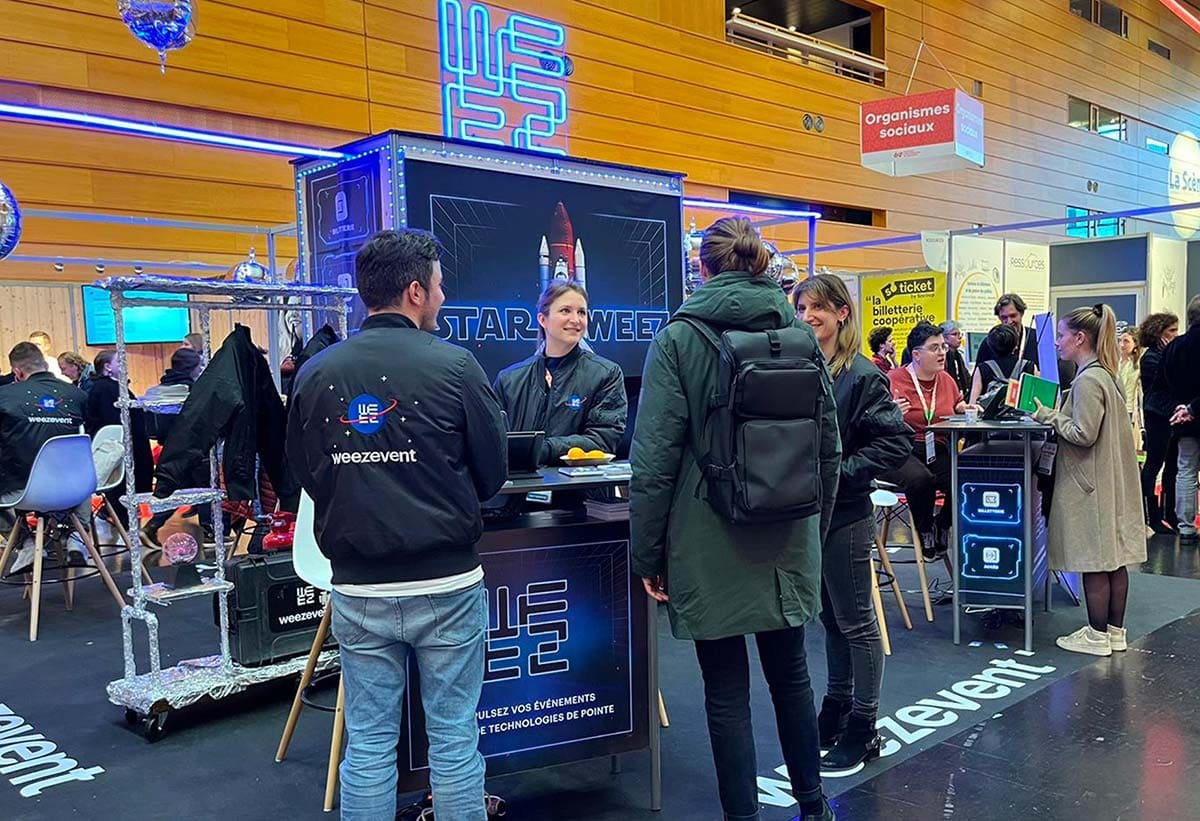
A well-organised trade show is one of the most effective communication tools available to a business, serving as a significant platform for networking and marketing in the business world. Done well, it brings together existing clients, prospective leads and industry peers in a single focused environment, and gives your organisation a platform that few other formats can replicate.
Getting there requires careful pre-trade planning across several distinct areas, as organising a trade show is a major investment. Following a comprehensive trade show checklist is key to overseeing the process efficiently. This guide covers the eight steps that matter most when organising a trade show, from defining your objectives at the outset to reviewing performance once it is over.
1. Define your objectives
Setting clear objectives is the foundation of any well-run trade show. At the most basic level, defining objectives is the first task in the trade show planning process. Before a venue is booked or a budget is drafted, you need to know what success looks like and how you will measure it. Start by identifying what you want the event to achieve. Common objectives include:
- Generating a defined number of qualified leads
- Increasing brand visibility within a specific sector
- Launching a new product or service to a targeted audience
- Strengthening relationships with existing clients and partners
To maximise your return on investment, set SMART (Specific, Measurable, Achievable, Relevant, Time-bound) objectives. Setting specific objectives for a trade show can significantly enhance ROI by enabling targeted planning and staffing to meet those goals.
Once your objectives are set, make them specific and measurable. For example, “Collect at least 250 qualified leads during the event” is more useful than “generate leads”. Share these targets with your team in advance so everyone is working towards the same outcomes on the day.
Also, decide who you want in the room. Define your target audience by profile, whether that is commercial contacts, marketing professionals, senior decision-makers or a mix, and shape your invitation strategy accordingly. Identifying tasks and responsibilities early helps ensure objectives are met.
2. Choose your venue and date
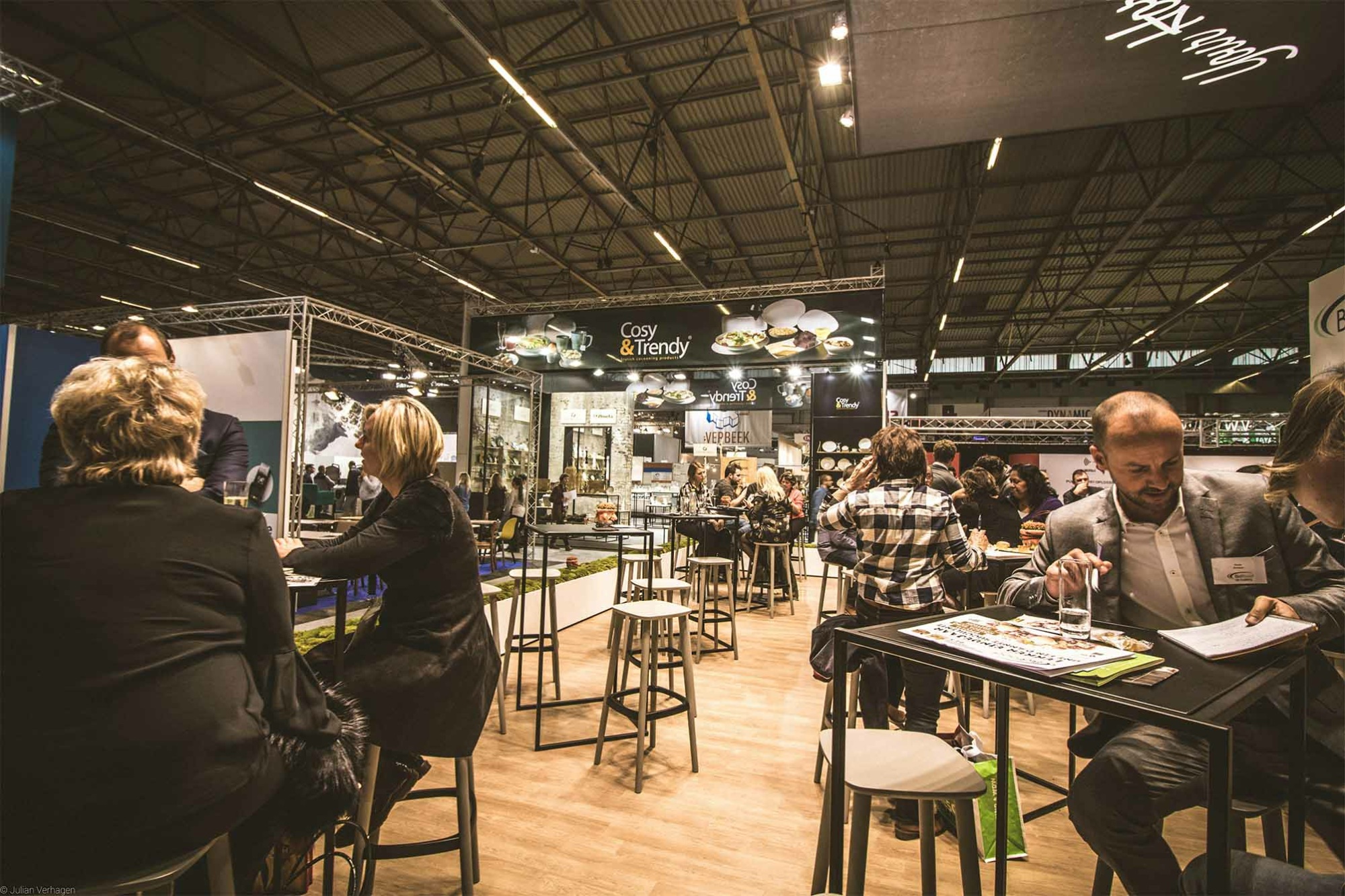
The venue is one of the most consequential decisions in the planning process. It shapes the attendee experience before anyone has arrived, and a poor choice is difficult to recover from.
When evaluating locations, consider:
- Whether the city will attract the volume and profile of attendees you need
- Transport links, including accessibility by rail, road and air for those travelling from further away
- Proximity to hotels if the show runs across multiple days
- Parking availability and accessibility for attendees with mobility requirements
- Emergency access and the availability of multiple entry and exit points
- The flexibility to design an effective floor plan that supports attendee flow and exhibitor visibility
The scale of your trade show should drive your venue choice. For smaller and mid-sized shows, hotel conference suites, cultural venues and dedicated meeting spaces are generally well-suited. For larger events, convention centres and exhibition halls offer the capacity and infrastructure required for more complex operations. Book your exhibition space early and ensure it is optimised for both exhibitor presentation and attendee engagement.
On timing, avoid clashes with other major industry events and consider the practicalities of your target attendees’ calendars. Check for other significant exhibitions or trade shows happening in the same country to prevent scheduling conflicts. A date that works on paper is less useful if key contacts are unavailable.
3. Build a structured budget
Budgeting for a trade show is a significant investment and should be approached strategically to maximise your return and achieve your business objectives. A detailed budget should be one of your first planning documents. A trade show involves high costs across multiple categories, and surprises at a late stage are far harder to manage than gaps identified early.
Your budget should account for:
- Venue hire and any associated operational costs
- External suppliers, including catering, photography, AV and production
- Logistics, signage, print and branded materials
- Registration and access control technology
- Staff costs, including any temporary or contracted personnel
- Revenue from ticket sales, food and drink, merchandise or other services
Most trade show budgets are driven by four main components: venue hire, stand build and design, marketing, and staffing.
Build in a contingency. Even well-planned events encounter unexpected costs, and having a buffer protects you from having to make difficult decisions under pressure. It is recommended to set aside a 10% contingency in your trade show budget for unexpected expenses.
When establishing your trade show budget, calculate the total investment required to meet your specific objectives.
4. Secure sponsors and partners
Sponsorship is central to the financial viability of most professional trade shows, particularly if you want to limit the draw on internal funds. Finding the right partners early gives you more flexibility across the rest of the planning process. It’s crucial to partner with the right businesses that align with your event’s theme and audience, ensuring a cohesive and relevant experience for attendees.
A credible sponsor should be relevant to your sector and recognisable to your attendees. The most productive partnerships tend to be structured around clear mutual benefit: the sponsor gains visibility and access to your audience; you receive financial support and, in many cases, access to their network and client base for invitation purposes.
Formalise the arrangement in a commercial agreement that sets out what each party is committing to, including any communications support the sponsor will provide before, during and after the show. Creating tiered exhibitor packages helps define clear benefits for exhibitors, which can encourage participation.
For events with multiple partners, an accreditation platform can simplify this significantly. It allows you to allocate a set quota of invitations to each partner, who can distribute them to their own clients and contacts independently, without creating additional administrative work for your team.

5. Set up online registration
Online registration is the most practical way to manage attendee sign-ups for a trade show. A well-chosen platform makes the process straightforward for attendees and gives you a clear, real-time picture of who is coming.
Weezevent’s ticket shop integrates directly into your website or operates as a standalone branded event page. From a single dashboard, you can manage registrations, send invitations and accreditations, and track attendance as the event approaches.
For a trade show, the registration form is also an opportunity to collect the information your team needs to prepare. Custom form fields let you collect job title, company, areas of interest, or any other details that help your staff make the most of each interaction on the day. To further streamline the process, use lead-capture methods, such as scanners, apps, or QR codes, to efficiently collect attendee contact information during the event. It’s recommended to train staff to record at least one qualifying detail about each contact, such as their timeline or budget, to enhance follow-up effectiveness.
6. Plan the programme, catering and entertainment
The content of a trade show matters as much as its logistics. Attendees commit time and, in many cases, travel to be there. The programme should give them clear reasons to engage. Organisers should explore a variety of programme options to engage attendees and ensure a memorable experience.
Consider including:
- Keynote presentations or panel discussions on topics relevant to your sector
- Workshops or interactive sessions that give attendees practical takeaways
- Networking opportunities are built into the schedule, rather than left to chance
- Product demonstrations or launch moments, where relevant to your objectives
- Interactive displays and live demos to engage attendees and create a high-energy environment
Catering plays a more significant role than it might initially appear. Food and drink create natural points in the day where conversations start, delegates relax and connections form. Providing engaging breaks can encourage more attendees to attend sessions throughout the day. Choose catering that suits the event’s tone and your audience’s profile. For a multi-day show, variety matters more.
7. Build your marketing strategy
Developing a comprehensive marketing strategy is crucial for trade show success, and it’s best to begin your trade show marketing efforts 5 to 6 months before the event to build momentum and maximize visibility. A strong communications plan runs from several weeks before the event through to the days following it. Each stage serves a different purpose.
Before the show, use your social media channels to build awareness and generate interest by promoting your exhibition stand and trade show booth. Highlight what potential customers can gain by visiting your stand, and consider teasing new products or exclusive experiences. Send personalised invitations to existing clients and high-priority prospects via your CRM. A targeted, personal invitation carries more weight than a generic broadcast and reinforces the sense that attendance is worth their time. Share practical information early: location, schedule, and what to expect. Running a competition or giveaway connected to the event can also drive attention to your trade show presence and encourage more attendees to visit your stand.
During the show, post live updates to keep your wider audience engaged, continue promoting your stand, and encourage attendees to share their own content from the event. This helps attract more potential customers and increases engagement at your exhibition stand.
After the show, follow up promptly with the leads collected during the event. Send a post-event communication to all attendees, thanking them for coming and sharing any relevant resources or next steps. This is often where the commercial value of a trade show is actually realised.
8. Review your results
A thorough post-event review is as important as any stage of the planning process. Without it, each edition of your trade show starts from scratch. Collecting KPIs such as leads generated, visitor numbers, and exhibitor outcomes is crucial for effective post-event analysis.
Review performance against the objectives you set at the outset. Did you hit your lead targets? Were visitors and exhibitors satisfied? Where did the programme work well and where did it fall short? Use feedback loops, including surveys from exhibitors and visitors, to gather advice and identify improvements for future editions.
Review your budget with the same rigour. Compare what you planned to spend with what you actually spent, and note where the gaps appeared. This gives you a more accurate baseline for future editions and helps you identify where costs can be managed more tightly. Data-driven decision-making, starting early, and focusing on sustainability are best practices that will help you organise a successful trade show.
Weezevent offers quick and easy ways to organise your trade fair, including online registration, access control, and interacting with your prospects.