The UK Deposit Return Scheme, or DRS, is a massive change to how drinks are sold and recycled, and it arrives on 1 October 2027. Most coverage so far has focused on shoppers, supermarkets, and other retailers, but the scheme also directly affects events. Here is what it is, how it works, and what it means for you as an organiser ahead of October 2027.
Summary
Introducing a deposit return scheme across the UK
The UK government is introducing a deposit return scheme for single-use drink containers, with the aim of cutting waste, reducing litter and giving the country a way to increase recycling rates. The idea is simple and already proven in other countries: a small refundable deposit is added to a drink, and you get that deposit back when you return the empty container. The UK’s Deposit Return Scheme launches across the UK, with England, Scotland and Northern Ireland sharing one design. Wales is running a separate scheme that also includes glass.
What the UK Deposit Return Scheme covers: single-use bottles and cans
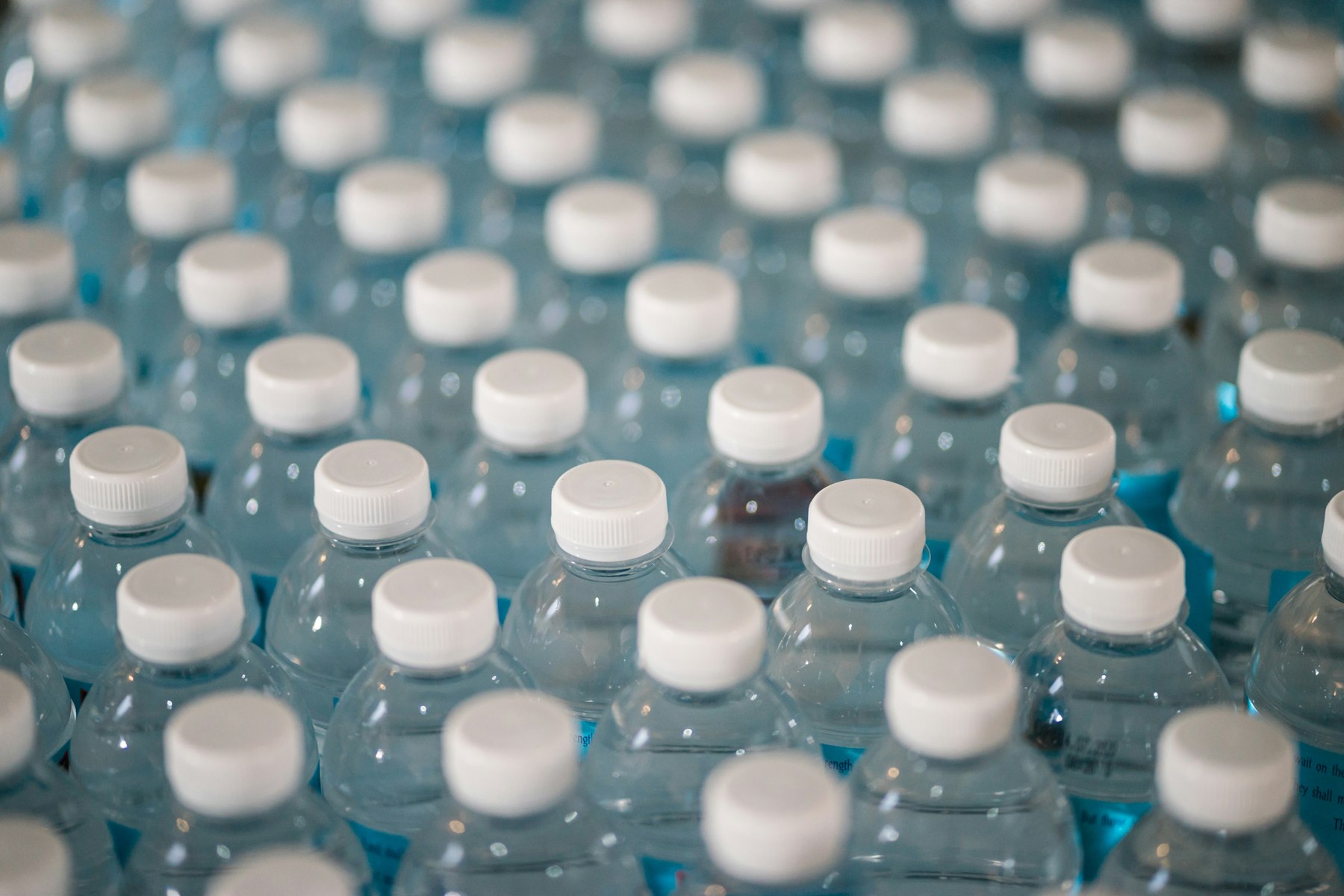
The scheme covers single-use drink containers made of PET plastic, aluminium and steel, from 150ml to 3 litres. In plain terms, that means plastic bottles and aluminium cans – the everyday drink bottles and cans people buy on the go. Glass is excluded in England, Scotland and Northern Ireland. A 20p deposit will be added to each container covered by the scheme, so shoppers pay a small deposit on drinks at the till and reclaim it later.
How the DRS will recycle more drink containers
By adding a container deposit to every bottle and can, the scheme gives people a direct financial incentive to return them rather than bin them. Return a bottle or can and you get your deposit back; this mechanism is designed to increase recycling and reduce litter across the UK. Early results from comparable schemes elsewhere show how quickly recycling rates can climb once a deposit is in play.
Return points: retailers, reverse vending machines and automatic return points
To claim the deposit back, people take their empty container to a return point. Supermarkets and larger retailers must host a return point, either as a manual return over the counter or through a reverse vending machine. These automatic return points scan each container, confirm the deposit and issue the refund, usually as a voucher. Smaller retailers may qualify for an exemption based on their size.
Exchange for Change opens registration in 2026
The scheme is run by a not-for-profit deposit management body, the UK Deposit Management Organisation, which trades as Exchange for Change. This organisation collects the deposits and reimburses return points. Registration with Exchange for Change opens in 2026, ahead of the October 2027 launch, so producers and retailers have time to prepare.
What the DRS means for events ahead of October 2027
It is tempting to treat the DRS as a problem for supermarkets and retailers, but it also directly impacts events. Understanding how is the first step to handling it well ahead of October 2027.
Your event pays the deposit through the supply chain
An important point to note upfront is that the scheme targets the container. The deposit is charged up the supply chain at each step: every business that sells a filled container covered by the scheme charges the deposit to its buyer. So when your event or your caterer buys cases of bottles and cans from a wholesaler, the 20p deposit has already been charged to you. You have paid the container deposit on every sealed drink on site before the gates even open.
Events qualify for an exemption from hosting a return point
There is some reassurance, though. While supermarkets and other retailers must also act as public return points, events and hospitality venues qualify for an exemption and don’t need to host a return point for the general public. That’s good news for events, because without it, people could arrive at your gate with bags of empty containers, ready to claim deposits at your expense. The UK government has deliberately exempted events from that hassle.
Two ways to handle the container deposit on-site
So how does it work for events? You have paid the deposit on your sealed stock, and you are not a public return point. So, for drinks in aluminium cans or plastic bottles that are consumed on site, the rules give you two compliant ways of handling it:
| How it works | What the attendee experiences | |
|---|---|---|
| Pass-through | You add the 20p to the drink price and run a designated return point on site where attendees return the empty container for their refund. | Pays 20p extra at the bar and has to find an on-site return point to get the deposit back. |
| Closed-loop | You serve drinks in reusable cups instead of single-use cans or plastic bottles, and charge a deposit for the cup. All your bottles and cans remain at the bar. | They pay a deposit for a cup, which they get back by returning it to the bar. |
Both are compliant: either a visible surcharge with return points that can become queues, require staffing, and frustrate attendees. Or you keep all single-use bottles and cans behind the bars and issue your own reusable cups with your own return scheme.
Why the UK DRS points events toward reusable cups
The UK DRS covers single-use bottles and cans. It does not cover reusable event cups, which sit entirely outside the scheme. Most events already pour most drinks into cups rather than handing over sealed cans and bottles.
By universally adopting reusable cups with your own deposit, you take most drink sales out of the DRS altogether and sidestep the surcharge and the return points. This is why many event planners are shifting away from single-use cans and bottles entirely.
Run your reusable cup deposit through cashless
A reusable cup deposit is your own scheme, and can fit neatly into a closed-loop cashless setup. Add the deposit to the attendee’s wristband at the first drink and refund it the moment the cup comes back. You keep the deposit for any cups that are lost, or that are taken home to become a branded souvenir. A smart cup management system like this helps keep your site clean and pays for itself.
Getting ready ahead of October 2027
- Recognise that the DRS applies to the sealed bottles and cans you buy, because the deposit is charged to you through the supply chain.
- Choose your pathway: pass-through with a return point or reusable cups.
If you use the pass-through system with a return point, attendees are responsible for claiming back their deposit. - If you transition to serving beverages in reusable cups, you keep single-use bottles and cans out of visitors’ hands altogether.
- If you run cashless, plan your reusable cup deposit through the wristband rather than as cash.
- Watch for event-specific guidance from Exchange for Change as more information about the scheme becomes available over the coming year.
The DRS is not a retail-only issue that events can watch from the sidelines. It reaches you through the stock you buy, but the same rules that bring bottles and cans into scope leave reusable cups out of it. For most events, that is the opening to go reusable, run the deposit through cashless, and turn incoming legislation into a cleaner site and a better sustainability story.
Weezevent helps event organisers run exactly this kind of closed-loop setup. Its cashless payment system lets you add and refund a reusable cup deposit straight to an attendee’s wristband, while smart cup management keeps deposits and cup returns under control across all your bars. Paired with online ticketing and registration, it brings your payments, cups and data together in one place, so you can meet the DRS era with a cleaner, simpler operation.
