Cashless payments have become the standard at many of Europe’s biggest festivals and sporting events. Yet with contactless bank cards and mobile wallets part of everyday life, many attendees wonder why events use NFC wristbands or cashless cards.
The answer is that a cashless wristband isn’t simply a payment method. It’s part of an event management system designed to keep thousands of people moving, reduce queues and help organisers operate large-scale events efficiently.
In this guide, we answer the most common questions about cashless payments, from why festivals use wristbands, to what happens to unused balances after the event.
Summary
Why can’t I just pay with my bank card or phone?
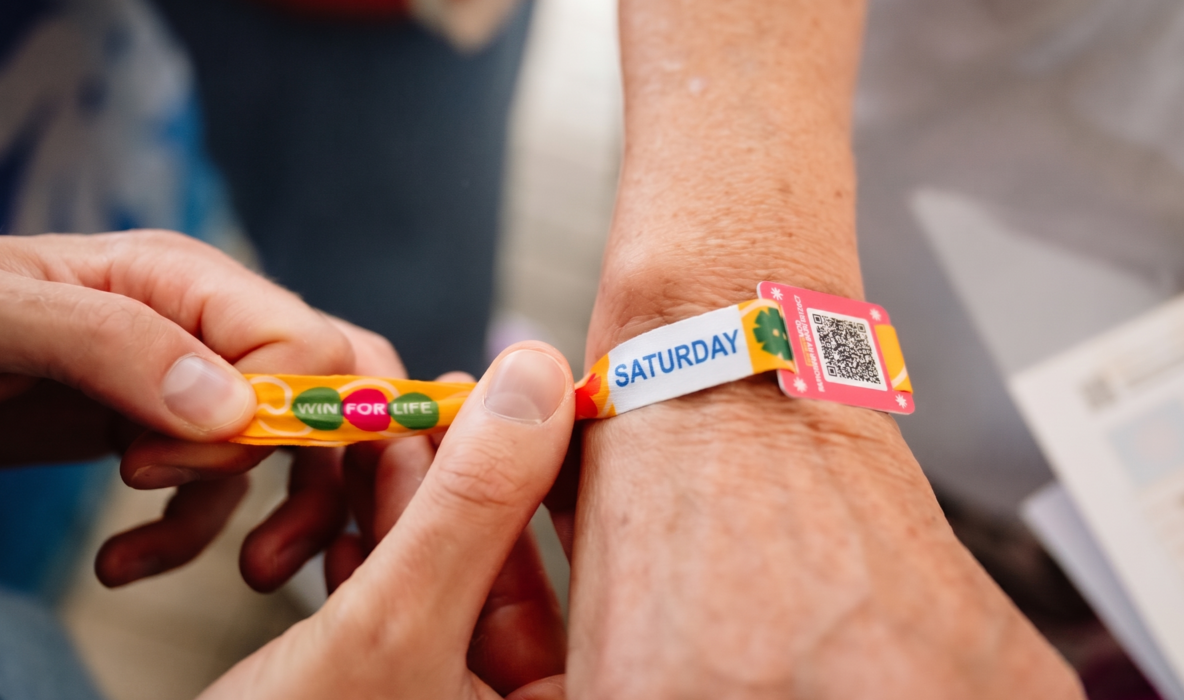
Open-loop payments (paying with bank cards and mobile wallets) are a great solution in many environments, like shops, restaurants, etc. However, many festivals and venues use a closed-loop cashless system (paying with NFC wristbands or cards) because it offers additional capabilities that traditional payment methods cannot.
Here we’ll explain some of the benefits of closed loop payments:
1. Faster transactions and shorter queues
Every second counts when thousands of people are ordering food and drinks at the same time. Traditional open-loop payments, such as bank cards and mobile wallets, typically take around 8 seconds to process, depending on the setup. Cashless NFC wristbands and cards complete a transaction in just 1 to 2 seconds.
While the difference may seem small for a single purchase, it quickly adds up across thousands of transactions. Faster payments mean shorter queues, quicker service and more time for attendees to enjoy the event. For organisers, it also allows vendors to serve more customers during peak periods without increasing staffing levels.
It’s also worth noting that the idea of replacing bar queues with top-up queues is largely a thing of the past. Today, more than 70% of top-ups are completed online before or during the event, allowing attendees to add funds from their smartphone without visiting a top-up station. On-site top-up points remain available for those who need them, but most attendees can manage their balance digitally throughout the event.
2. Reliable payments, even when connectivity is limited
Large crowds can put significant pressure on mobile networks. Unlike traditional bank card payments, cashless wristbands and NFC cards can continue processing payments even if the internet connection is temporarily unavailable, allowing bars and vendors to keep serving attendees without interruption.
For festivals, this level of reliability is essential. Every minute of downtime can lead to longer queues, frustrated attendees and lost sales for vendors. By keeping payments running even when connectivity is affected, organisers can maintain service levels throughout the event.
One example is Space Safari, where the internet connection was unavailable for several hours following a Starlink update. Attendees didn’t notice a thing because cashless payments continued to operate offline, keeping food and drink outlets running as normal.
Read the full Space Safari success story to discover how the event benefited from Weezevent’s cashless solution.
3. Hardware needs
Cashless payment terminals are specifically designed for the demands of live events. They are durable, weather-resistant and built to operate throughout long event days with extended battery life.
Because they’re purpose-built for event environments, organisers can deploy and manage their payment infrastructure more easily, even across large or temporary event sites. Fewer devices need replacing or recharging during the day, allowing teams to focus on delivering a great attendee experience.
4. Live operational insights
Large festivals often have dozens or even hundreds of bars, food stalls and merchandise stands, many of them operated by different vendors. A closed-loop cashless system (paying with a NFC wristband or NFC card) gives organisers a live overview of sales across the entire site, identifies busy locations and spot potential issues before they become bigger problems. Whether it’s restocking a popular bar, reallocating staff or supporting a vendor experiencing unusually high demand, real-time insights help organisers keep the event running smoothly for both vendors and attendees.
5. Flexible event currencies and partner coins
Closed-loop cashless systems allow organisers to create custom event currencies, sponsor coins or vouchers that can be used only in specific locations or for selected products.
This gives organisers much greater flexibility than traditional bank card payments. Whether it’s offering drink tokens, VIP credits, sponsor-funded coins or vouchers that can only be redeemed at selected vendors, organisers can create promotions and experiences tailored to their event while maintaining full control over how those funds are used.
This capability helps engage attendees, support sponsors and simplify promotions, all within the same cashless payment system.
This stays attendee-friendly while subtly highlighting a capability that open-loop payments simply don’t offer.
6. More than just payments
At many events, the same NFC wristband or card is also used for access control, crew accreditation and services such as camping, lockers, VIP areas. Instead of carrying multiple tickets or passes, attendees have everything they need in one place.
It also helps organisers connect the wider event ecosystem. Many festivals rely on a network of trusted partners, from locker providers and campsite operators to merchandise vendors and activity partners. A single cashless credential allows these services to work together in one integrated system, creating a smoother experience for attendees while making operations easier to manage across the event.
This highlights an important benefit that many people overlook: cashless isn’t just about payments, it’s the digital key that connects the entire event experience.
How do unused cashless balances work?
At the end of an event, some attendees may still have money left on their cashless account. What happens next depends on the organiser’s refund policy.
Many organisers offer refunds for unused balances, with clear instructions provided before, during and after the event. Some go even further. For example, events such as Tomorrowland automatically refund eligible online top-ups, meaning many attendees receive their remaining balance without needing to submit a request.
Not every event follows the same approach. Some organisers give attendees the option to donate their remaining balance to a charity, exchange it for a voucher for a future edition, or spend it on merchandise before the refund period closes.
After the refund period has ended, a small portion of cashless balances typically remains unclaimed. Organisers want attendees to know exactly what options are available, whether that’s reclaiming their balance, donating it to a good cause, or using it towards future events. Clear communication builds trust and helps create a positive experience that extends beyond the event itself.
The key is transparency. Clear communication helps attendees understand their options, builds trust and ensures they can choose the solution that suits them best.
Who owns the remaining balance?
Another common misconception is that the cashless technology provider receives any unclaimed balances.
In reality, technology providers supply and operate the infrastructure that makes cashless possible. This includes payment terminals, NFC wristbands or cards, secure payment processing, software, live monitoring tools and dedicated on-site support teams.
Their role is to provide the technology and expertise that keeps payments running smoothly throughout the event. They are compensated for delivering that service, not through attendees’ remaining balances.
Why do some events charge activation or refund fees?
Operating a cashless payment system requires significant infrastructure. Behind every tap is a combination of payment devices, networking equipment, software, logistics and experienced teams working on-site before, during and after the event.
To keep the event financially balanced, some organisers introduce a small activation or refund fee to help offset part of the investment required to deliver a reliable cashless payment experience. Every event makes this decision based on its own operational model and constraints.
Cashless works best when it’s transparent
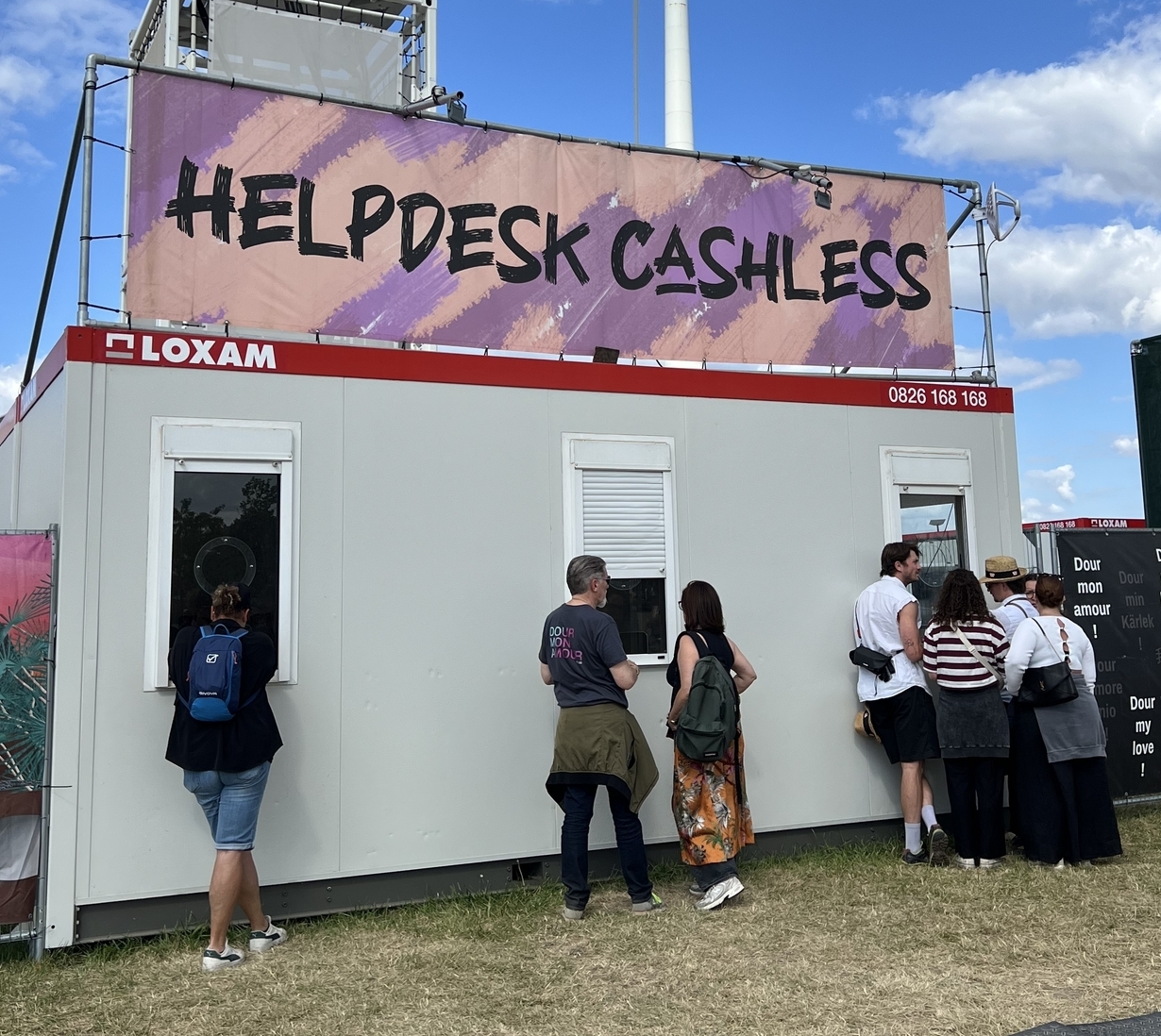
Transparency is an important part of the cashless experience. Many organisers provide a dedicated cashless helpdesk on-site, where attendees can ask questions about top-ups, refunds, lost wristbands or any other payment-related queries. Others also share clear information through dedicated cashless pages on their website, pre-event emails and post-event communications, explaining how the system works, refund policies, fees and frequently asked questions.
By making information easy to find and providing clear guidance before, during and after the event, organisers help attendees feel confident using the system and get the most out of their event experience.
At its core, cashless isn’t about changing how people pay. It’s about helping events run more efficiently while creating a better experience for everyone involved.
If you have a question about how cashless payments work at events or would like to learn more, feel free to get in touch with us.