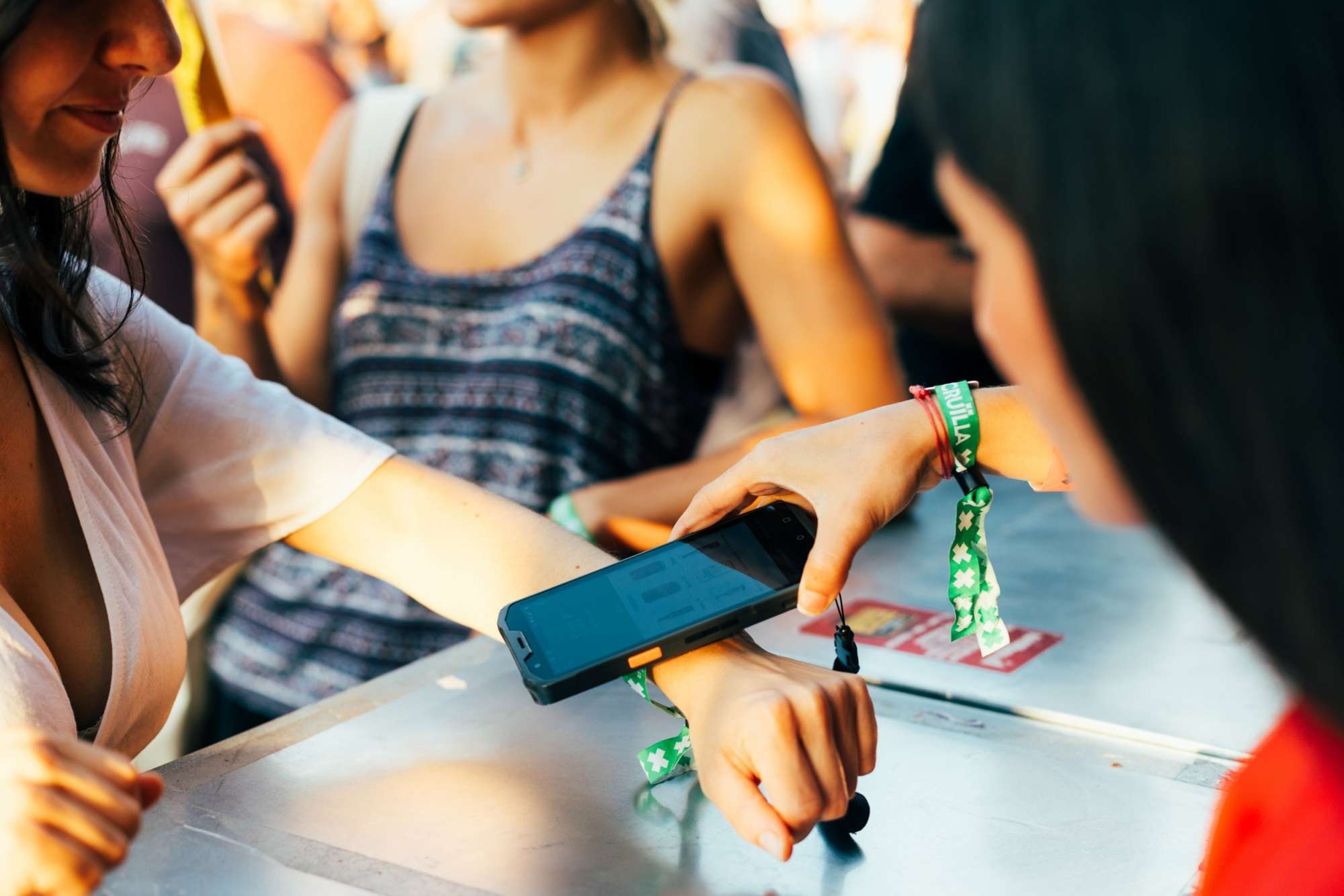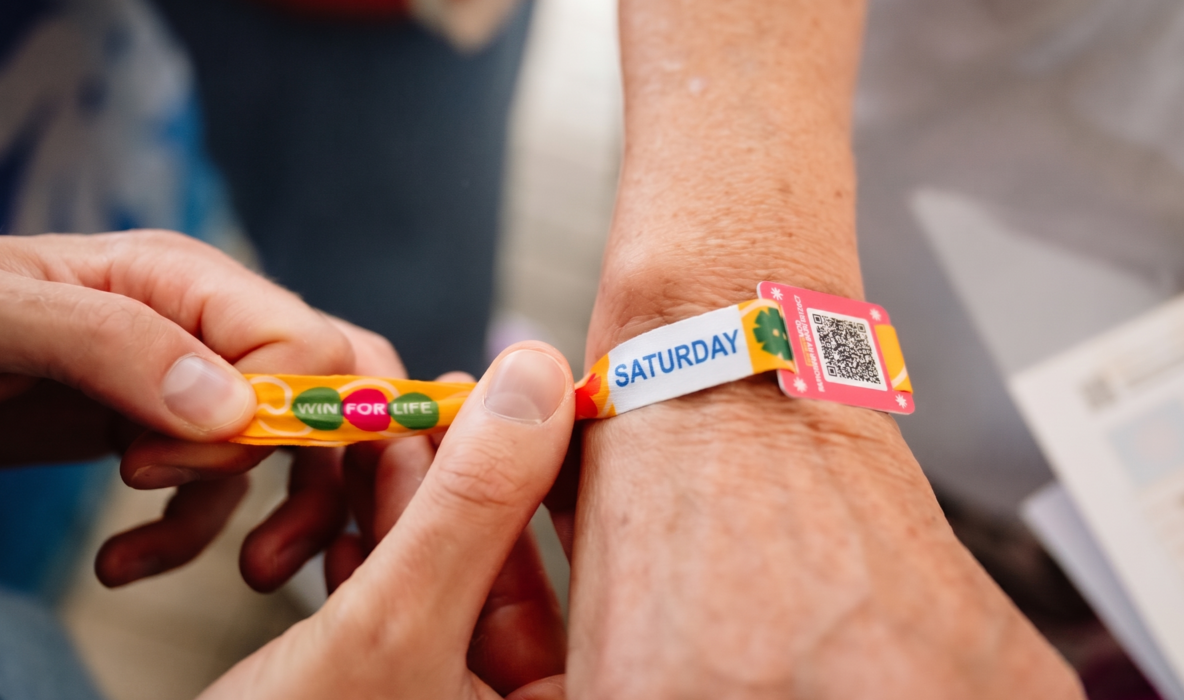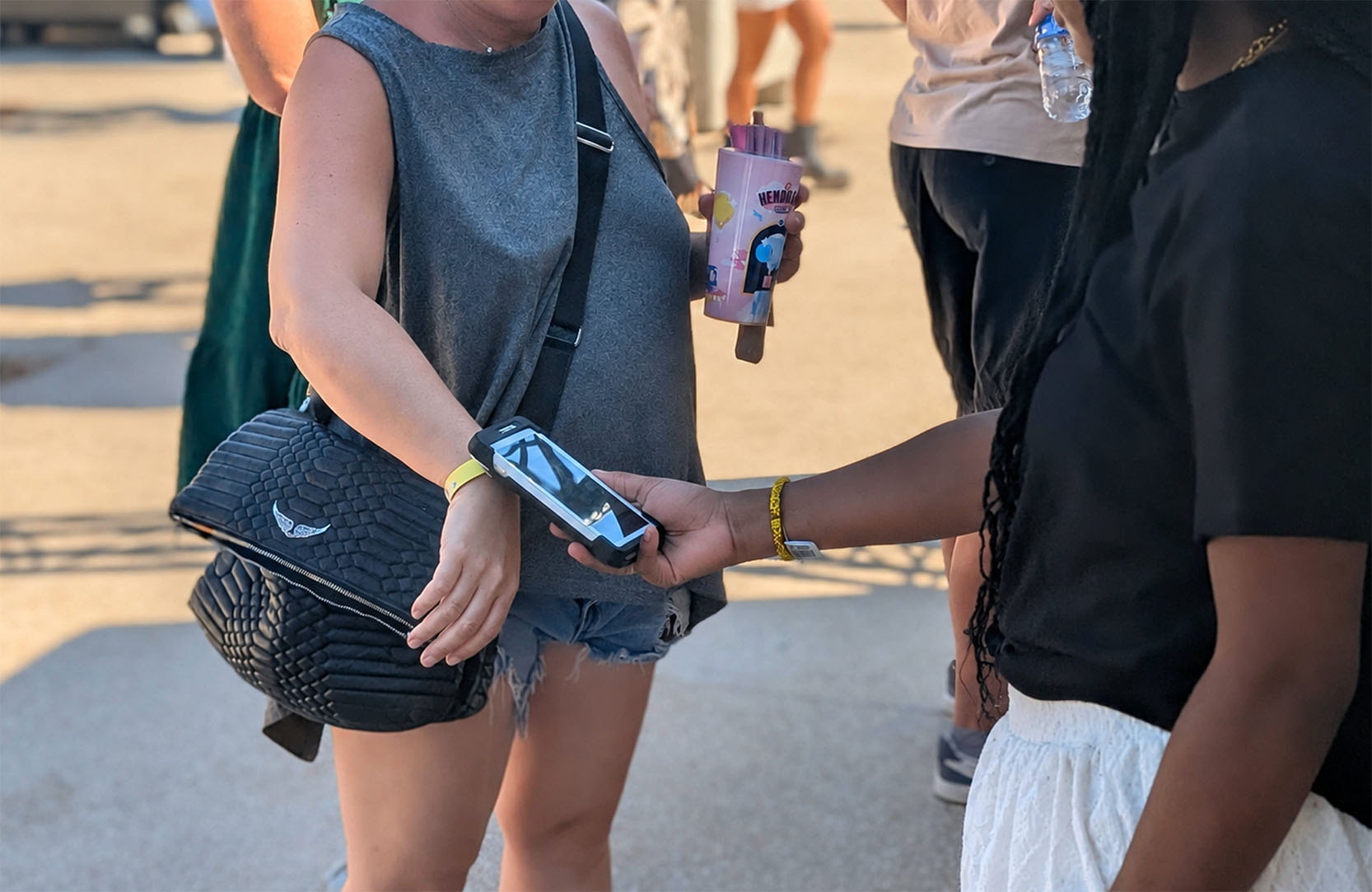
Switching to NFC payments is one of the most significant decisions you can make as an event organiser. When implemented properly, cashless enables faster transactions, increased attendee spending, better insights into your audience and less friction when managing financial exchanges with your suppliers. The benefits are numerous.
When implemented poorly, the opposite happens: endless queues at top-up points, frustrated attendees discovering that cash is no longer accepted and teams struggling as soon as an issue arises with a payment terminal.
Summary
1. Telling your audience about cashless too late
An attendee who arrives expecting to pay in cash and suddenly discovers that they cannot is likely to make their frustration known to the teams at top-up points and cashless support desks, creating a poor first impression before the event has even started and putting unnecessary pressure on your teams.
To prevent this, make cashless part of your overall event communications, announcing it well in advance, repeatedly and across all your channels. There are several ways to communicate this in the weeks leading up to your event:
- In your ticket confirmation email
- On your website, with a dedicated page including an FAQ
- On social media, through an explanatory carousel or a Story saved to your Instagram Highlights
The benefits of communicating proactively about cashless go far beyond simply avoiding friction. Your audience can prepare for the event by topping up in advance, your points of sale run more smoothly and, as a result, your sales increase.
2. Only offering top-ups on site
In reality, a significant proportion of your attendees will arrive without having topped up in advance. As soon as they enter the event, they will head straight to a top-up point and start queuing. That queue will only get longer as the venue fills up, while your points of sale remain quiet.
To avoid this bottleneck, online top-ups are ideal. If attendees can add credit to their wristband or card before they even arrive, through a link in their confirmation email or a post on your social channels, a large proportion of them will do so. The figures back this up: when the option is enabled, around 90% of top-ups are completed online before the event.
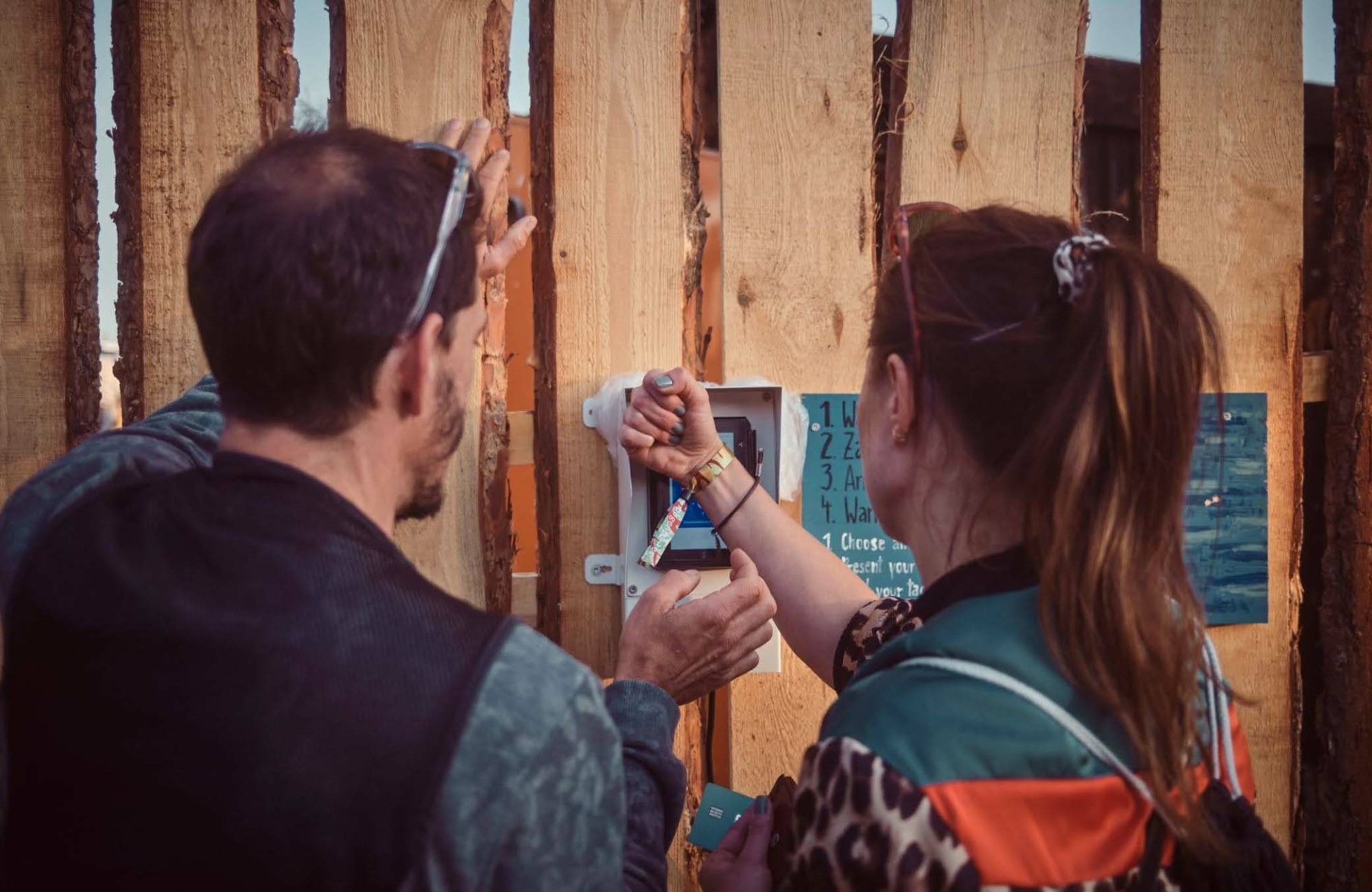
As well as keeping things running as smoothly as possible on the day, online top-ups before the event can also generate additional sales through cross-selling. Merchandise, premium options and more: offer attendees additional products or services during the top-up process and increase average spend before the event has even started.
3. Being unclear about refunds for remaining balances after the event
If your refund policy is unclear, or worse, if attendees feel as though they have lost money, this can quickly show up in the reviews and comments posted after the event. Attendees are generally willing to top up slightly more than they expect to spend, provided they know they can recover any remaining balance.
Explain your refund process clearly before the event: when refunds open, the deadline for requesting one, how the process works and any other relevant information. By making the process as simple and transparent as possible, you can avoid frustration among attendees and prevent your social media inboxes from being overwhelmed with questions.
The refund period can also become an opportunity. Directly within the refund journey, you can give attendees the option to use their remaining balance to make a donation to one of your partner charities, buy merchandise or purchase a ticket for your next edition.
Want to learn more? Discover how to boost your ticket sales here.
4. Underestimating the importance of staff training
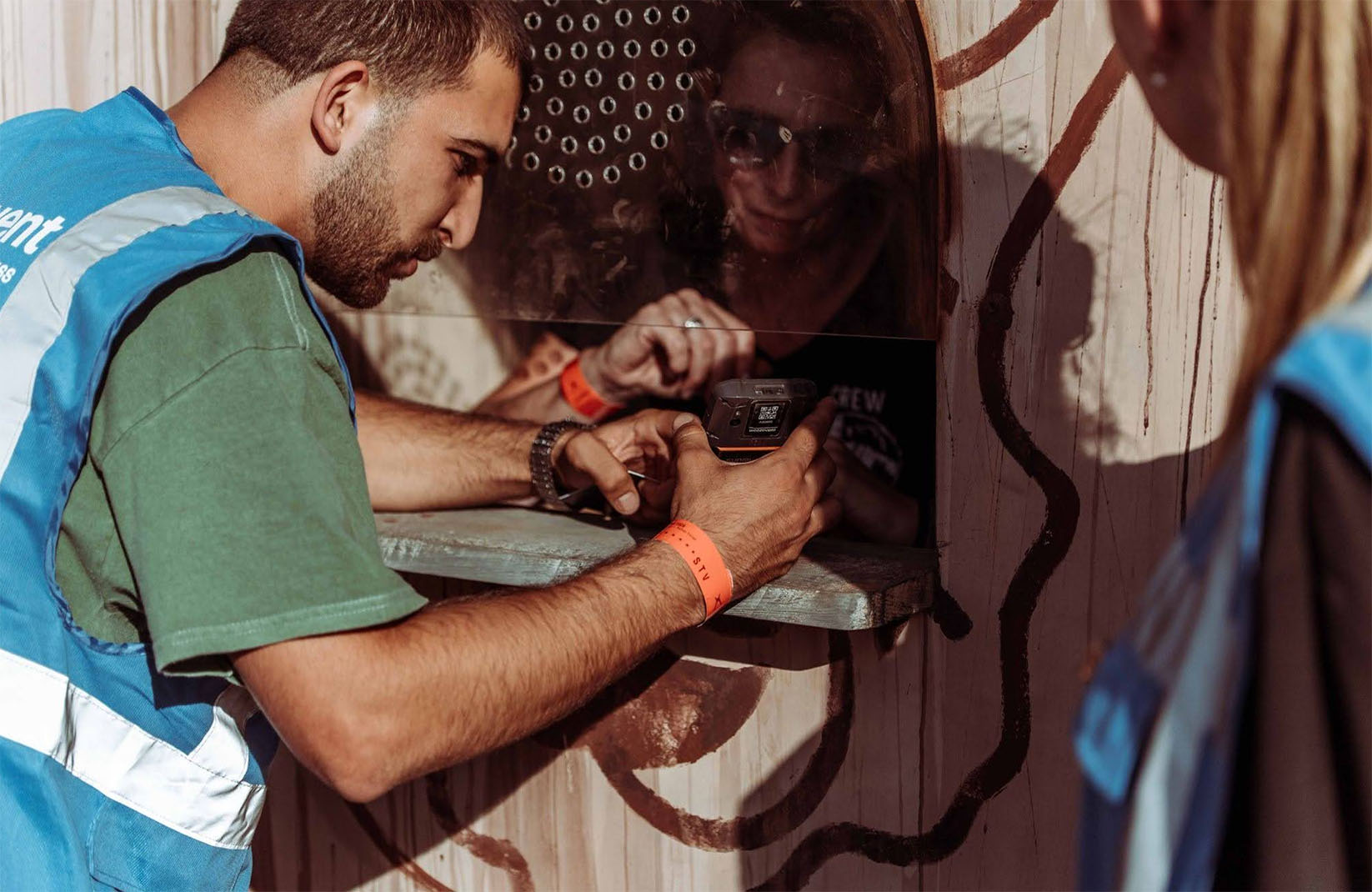
This is one of the easiest mistakes to avoid, yet also one of the most commonly overlooked. Training your teams to use cashless requires some preparation. Too often, the system and terminals are demonstrated once, very quickly, before teams are left to manage on their own on the day of the event.
Good training does not need to be lengthy, but it should be practical and easy to refer back to:
- Create short videos covering recurring tasks: taking a payment, checking a balance, cancelling an order, etc.
- Give your teams a one-page quick-reference guide that they can keep close at hand
- Appoint a bar or point-of-sale manager who can react quickly when an issue arises and clearly explain the problem to our on-site teams
- Run through everything briefly the day before opening to make sure everything is clear and there are no outstanding questions
The aim is for your teams to feel confident handling common situations, maintain the pace of sales and know exactly who to contact if something unexpected happens.
5. Not making enough use of your cashless data
Every transaction processed through your cashless solution provides valuable information about your busiest bars and their peak periods, your best-selling products and how top-ups were distributed throughout the event.
This information is a goldmine and should help shape your decisions for the next edition. It allows you to adjust staffing levels according to peak periods, refine your product offering based on what sold well and what did not, identify underperforming areas of the site and rethink their layout where necessary, as well as adapt your marketing communications based on the spending habits you observe.
None of these mistakes is difficult to avoid once you know what to look out for. When deciding whether to adopt cashless, keep in mind that it requires the same level of planning and attention as every other aspect of your event.
Thinking about introducing cashless payments at your event, or looking to improve an existing setup? Our team is here to discuss your needs.