Festivals are often associated with music, such as rock festivals and jazz festivals, and little else. In reality, the range of festival formats spans cinema, literature, food, religion, sport, cultural heritage and much more. Each type offers a distinct experience and serves a different audience, but all share the same core purpose: bringing people together around a shared interest, whether at an art festival or a religious festival.
Whether you are an organiser exploring which format fits your vision, or simply curious about the full range of festival types available, this guide covers the main categories, what distinguishes them from one another and well-known examples of each.
1. What is a festival?
A festival is broadly defined as a themed event, cultural, artistic, musical or otherwise, that takes place over a period ranging from a few hours to several days or weeks. Festivals give artists, creators, professionals and exhibitors the opportunity to present their work to a large audience, encouraging cultural exchange and discovery, as seen in popular music festivals and literary festivals.
Most festivals include a mix of live performances, concerts, screenings, exhibitions, workshops and related activities. They are occasions for people to come together around a shared interest, whether that is music, food, film, heritage, or something more niche, such as children’s festivals. The range of festival types is wide. What follows is a guide to the main ones.
2. Music festivals
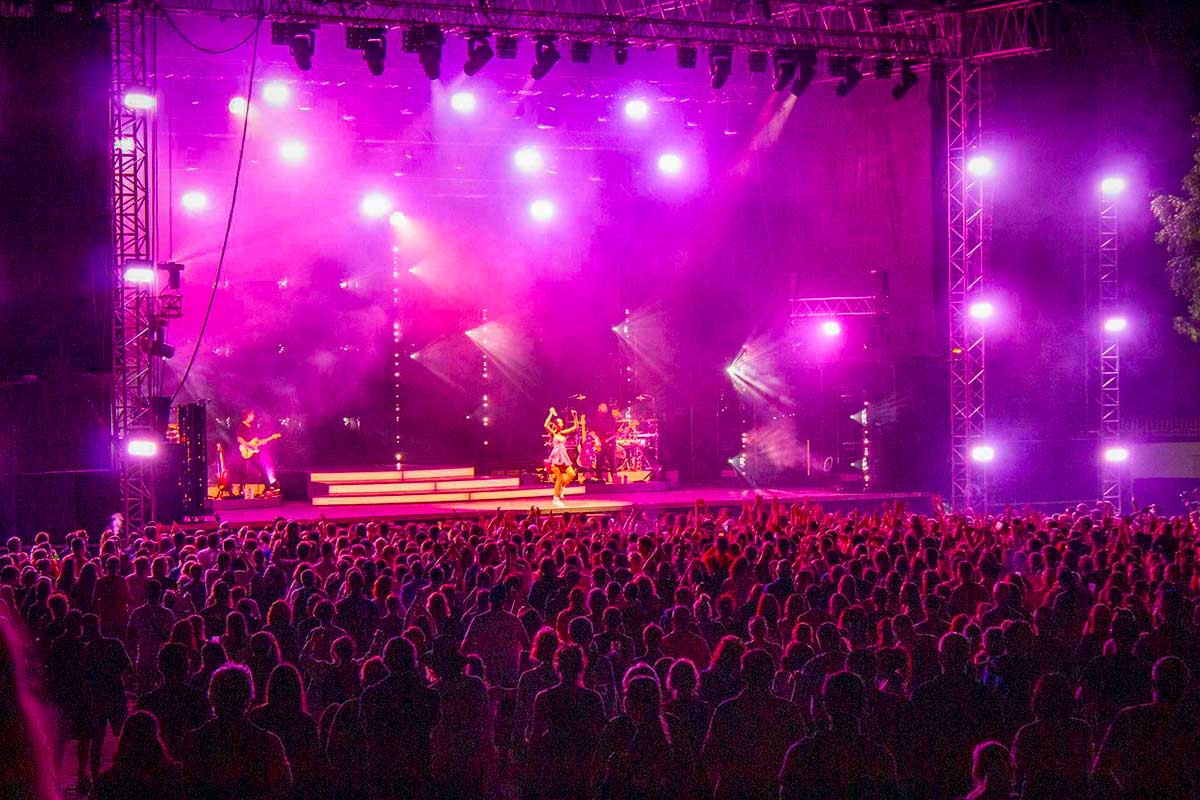
Music festivals are among the most popular and widely attended event types in the world. They offer an immersive experience for fans across every genre, from rock and metal to electronic, hip hop, folk and pop. Most large-scale music festivals feature a mix of established headliners and emerging artists, giving audiences the chance to discover new acts alongside the names they already know.
Well-known examples include Glastonbury, Reading and Leeds, Download, Creamfields and Boomtown in the UK, and Tomorrowland, Hellfest, Benicàssim and Gurtenfestival internationally, showcasing a variety of genres in popular music.
3. Cultural festivals
Cultural festivals celebrate diversity through artistic expression, traditional customs, craftsmanship and heritage. They showcase the traditions, practices and cultural identity of a region, community or country, giving both local audiences and visitors the chance to engage with cultures different from their own at various types of events.
Cultural festivals range from large national celebrations to intimate community events. Examples include the Edinburgh Festival, the Notting Hill Carnival and the Festival Interceltique de Lorient, each drawing audiences who come specifically for the cultural experience rather than a single performer or genre.
4. Outdoor festivals
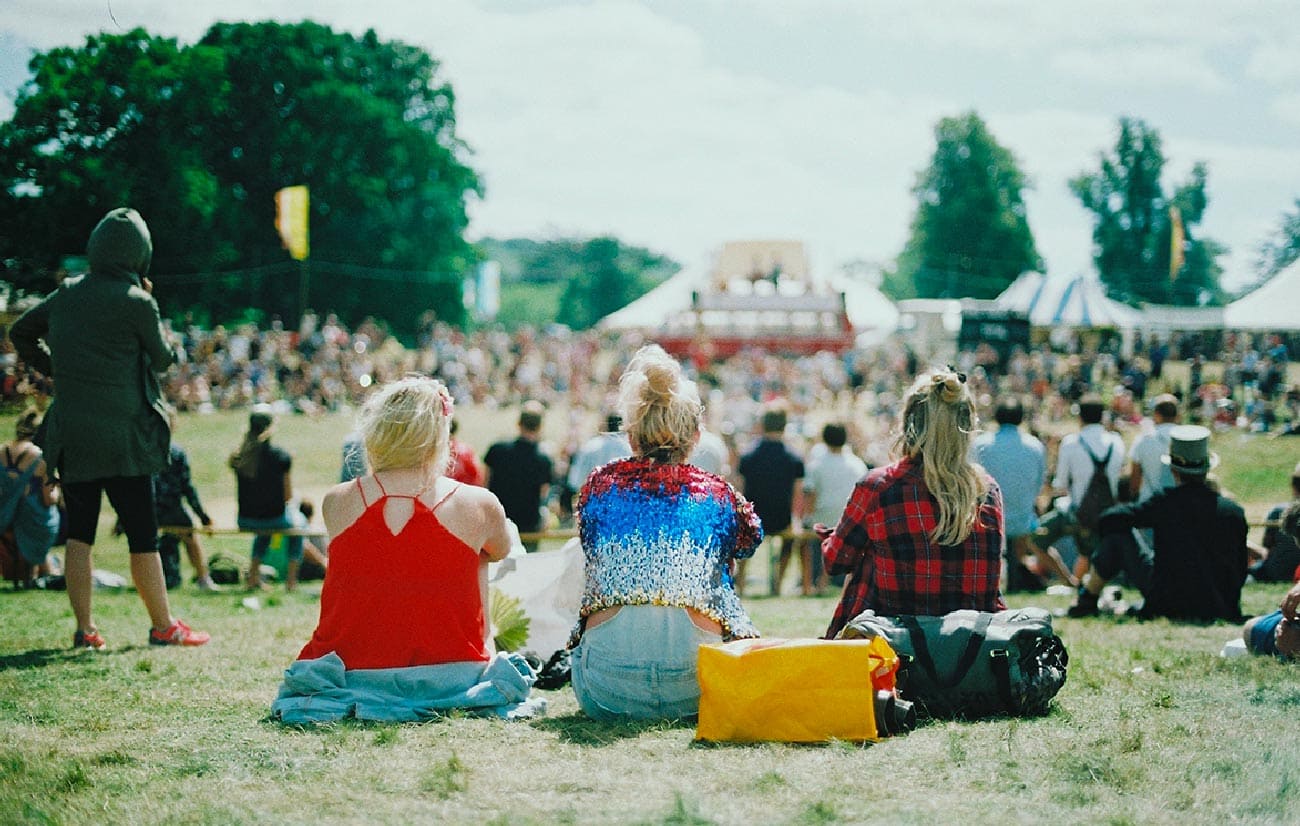
Outdoor festivals take place in open-air settings: parks, beaches, fields, forests or mountain landscapes. The setting is itself part of the appeal, allowing attendees to enjoy live performances, screenings or theatrical productions in natural surroundings.
Many cities and towns organise outdoor festivals during the summer, often as free or low-cost community events, including fairs, parades, and seasonal festivals that celebrate local traditions. The format works across music, food, film and cultural programming, and the informal atmosphere tends to encourage a broader and more mixed audience than indoor equivalents.
5. Film, short film and international film festivals
Film festivals are dedicated to showcasing the work of filmmakers, both established and emerging, to a wider public. Beyond screenings, most film festivals include a broader programme of conferences, panel discussions, film premieres, masterclasses and workshops, making them as much about the industry as the films themselves.
Film festivals can also be genre-specific, focusing on horror, documentary, animation or experimental cinema. Examples include the BFI London Film Festival, the Edinburgh International Film Festival and the Cannes Film Festival, as well as smaller specialist events such as horror and fantasy film festivals held throughout the year.
6. Literature festivals
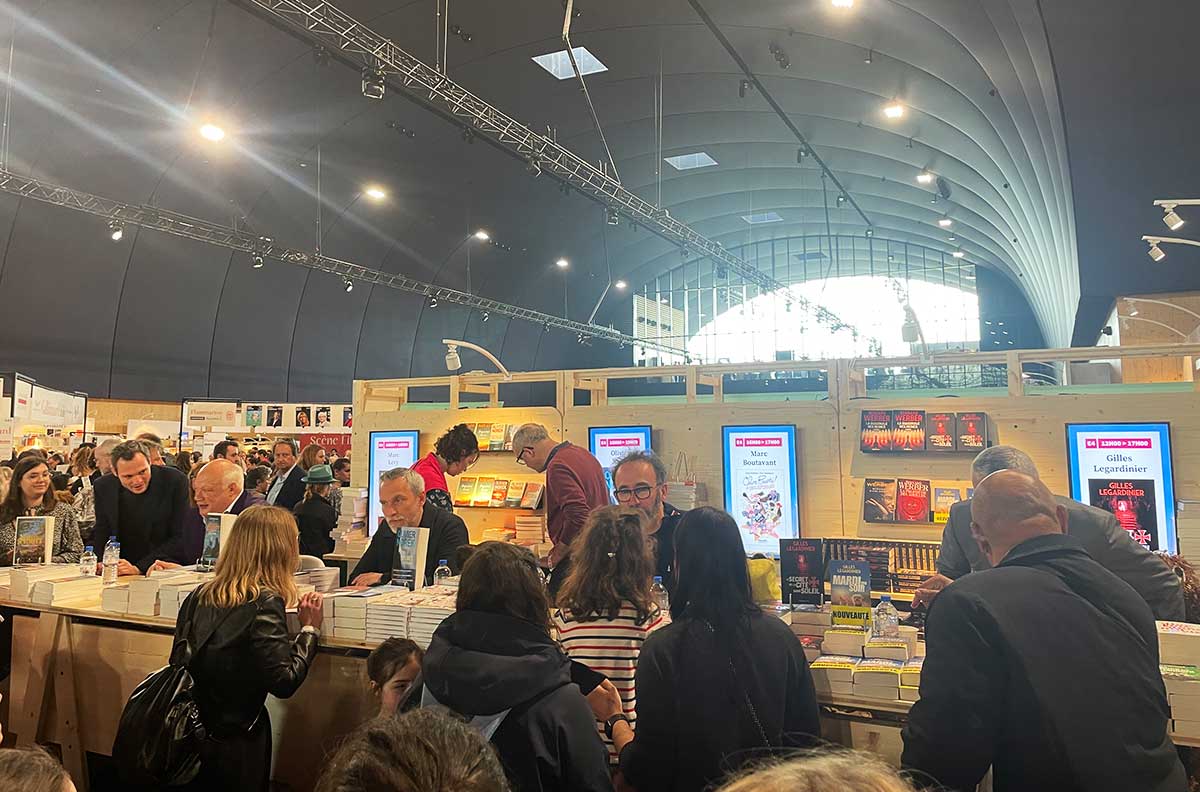
Literature festivals centre on books, poetry and the written word. They typically include author readings, interviews, panel discussions, creative writing workshops and literary competitions. They are valuable for both readers and writers: audiences get direct access to the authors behind the books they love, while writers find opportunities for visibility, conversation and professional connection.
The Hay Festival and the Edinburgh International Book Festival are two of the most well-established examples in the UK, each attracting international authors and tens of thousands of attendees each year.
7. Religious and traditional festivals
Religious and traditional festivals are rooted in the cultural or spiritual practices of a specific community, town or country. They mark significant events, rites of passage, seasonal cycles or spiritual celebrations, and often involve rituals, processions and large-scale communal gatherings.
These festivals play an important role in preserving and transmitting cultural heritage across generations. Examples include Diwali celebrations in Leicester, one of the largest outside India, St Patrick’s Day festivals in cities with significant Irish communities, and Chinese New Year events in major urban centres.
8. Food and gastronomy festivals
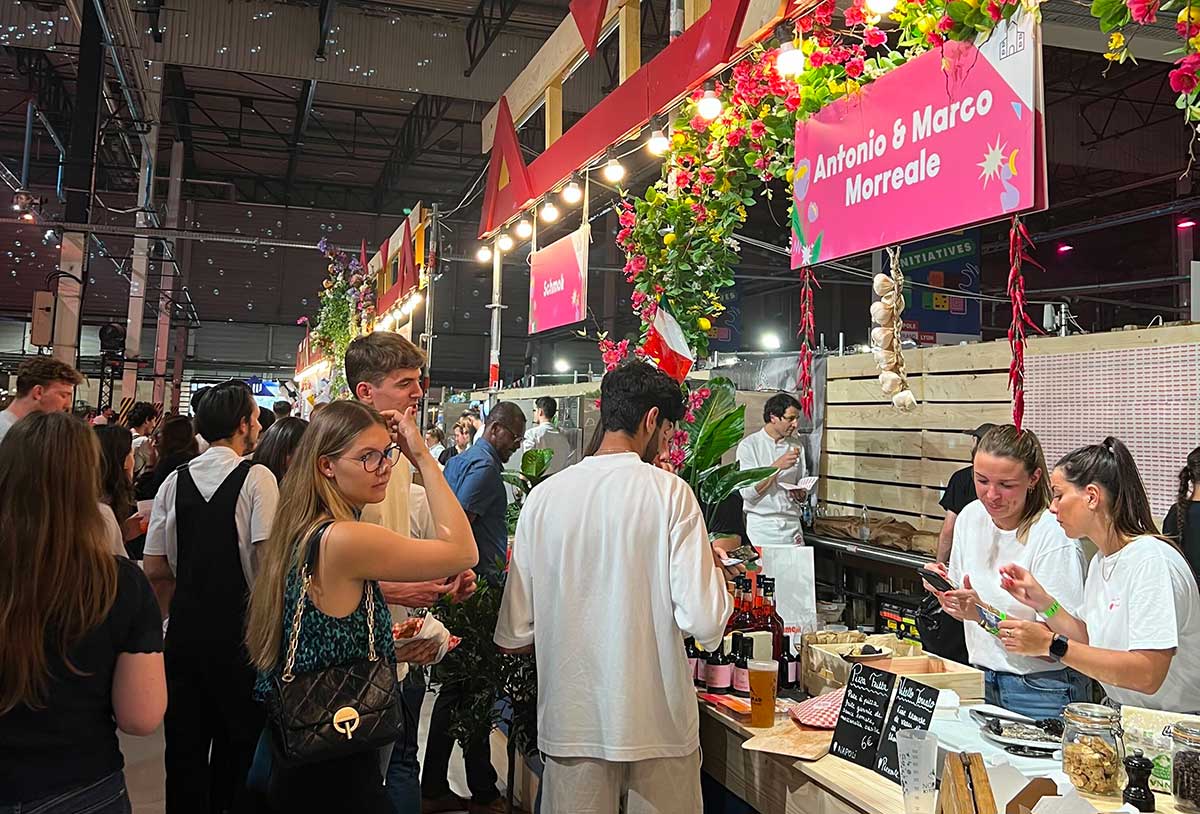
Food festivals are dedicated to the discovery and tasting of diverse cuisines and culinary traditions, allowing attendees to immerse themselves in the culinary arts. They bring together local producers, chefs and food artisans to showcase regional and international specialities, and typically include cooking demonstrations, tasting sessions, and workshops alongside the market-style stands.
Examples include Taste of London, the BBC Good Food Show and the Abergavenny Food Festival, as well as hundreds of smaller local food events held throughout the year across the UK.
9. Different types of festivals
Beyond the categories above, festivals exist across almost every area of interest: sport, motorsport, agriculture, animals, science, fashion, gaming and more. The common thread is a community of people who share a passion for a subject and an event format that gives them a reason to gather around it.
For organisers, the breadth of festival types is worth taking seriously. The format is flexible enough to serve almost any theme or audience, and the right type of festival for your project depends on your objectives, your audience and the experience you want to create.
Weezevent supports organisers across all event formats, from workshops and seminars to large-scale conferences and festivals, with online ticketing and registration, access control, cashless payments and marketing and CRM tools.