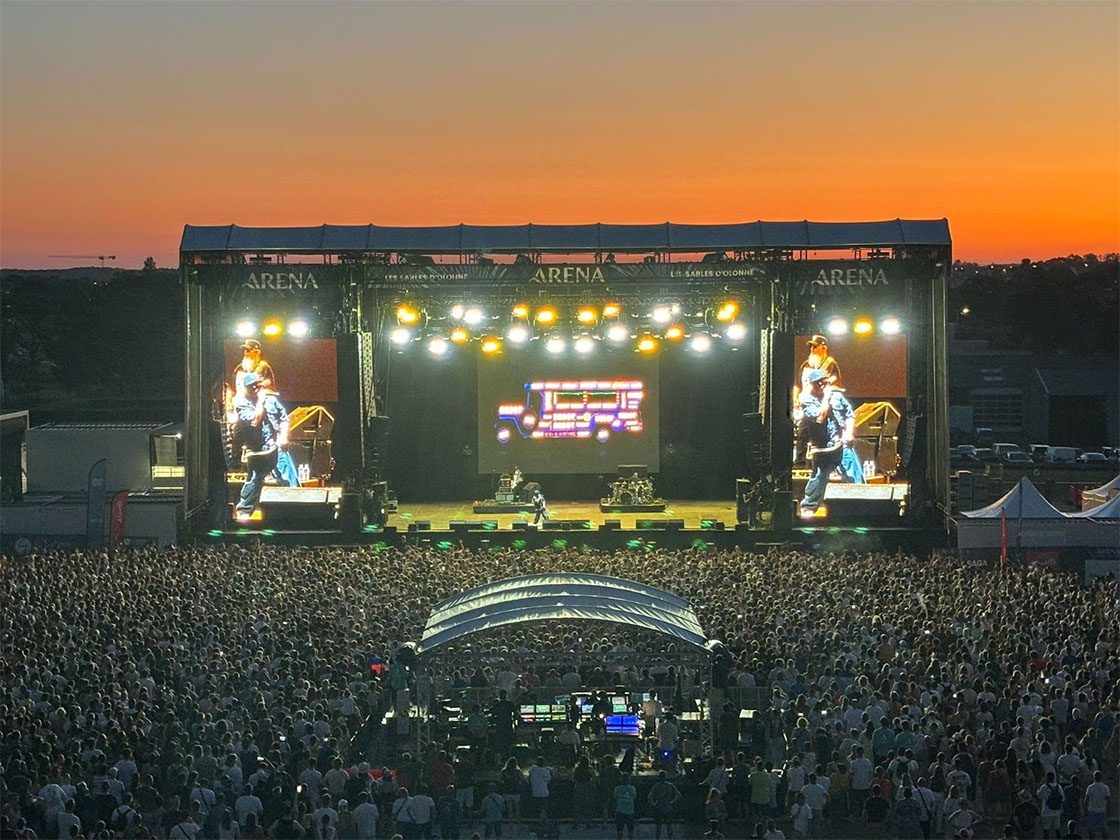
Planning a festival is both exciting and demanding. Whether you are organizing a music festival, a food and drink festival, or a cultural event, the planning process requires structure, creativity, and coordination. From defining your festival theme to managing logistics, permits, and ticketing, each decision contributes to delivering a memorable experience for your event attendees.
This ultimate guide explains how to plan a festival step by step, helping you structure your event planning approach and create a successful event that resonates with your local community.
To go further, download the Practical Guide for Festival Organizers for free.
Summary
1. Define the main lines of the festival
Organizing complex events such as festivals always begins with a clear vision. Before launching ticket sales or confirming suppliers, you need to define your festival goals and the overall direction of the project.
a) Define the purpose of your festival
Start planning by answering a simple question: why organize this festival? Your answer will help shape the identity of your event, whether the objective is to raise awareness for a cause, celebrate local culture, support artists, or raise money for an organization.
Clarifying your purpose early helps guide decisions related to programming, partnerships, and marketing strategies, while reducing last minute stress during the planning process.
b) Choose the type of festival
Determine the type of festival you want to create. The format will influence your logistics, entertainment costs, and operational needs. Examples include:
- Music festival with multiple stages and professional sound systems
- Food festival featuring local restaurants, food trucks, and local vendors
- Drink festival highlighting wineries, breweries, or distilleries
- Cultural event showcasing local talent and diverse communities
- Small local festival designed to bring together neighbourhood audiences
- Larger festivals requiring complex infrastructure and permits
Your festival theme should reflect both your vision and the expectations of potential attendees. You might also need to define key details such as the program, duration, and schedule of activities.
c) Choose the right festival venue
Choosing the right venue is essential to creating a positive attendee experience. The perfect venue should offer:
- Adequate outdoor space or indoor capacity
- Accessibility via public transport where available
- Parking facilities adapted to expected attendance
- Restroom facilities and toilet facilities meeting capacity requirements
- Emergency exits and compliant safety measures
- Space for food stalls, catering services, and food trucks
- Infrastructure for multiple stages if required
If your festival takes place outdoors, consider Canadian weather conditions carefully. Planning for inclement weather is essential when organizing events in spring or fall. Consult venue owners early and confirm all local regulations before finalizing your booking.
d) Build a realistic festival budget
Budgeting is a key step in the festival planning process. Estimate potential costs and revenue streams as early as possible to ensure financial viability. Typical budget items include:
- Artist fees and programming costs
- Venue rental fees
- Sound systems and technical equipment
- Event staff and security teams
- Catering services and infrastructure
- Public liability insurance coverage
- Health and safety compliance
- Marketing expenses and press releases
- Equipment rental and logistics
- Permits required by local authorities or municipalities
Include a contingency margin of approximately 10–15% to cover unexpected costs such as weather-related changes or operational adjustments.
e) Secure funding sources
Once you have identified potential costs, explore funding opportunities to support your project. Common funding options in Canada include:
- Sponsorship agreements with local businesses
- Partnerships with local vendors and community organizations
- Grants from municipal, provincial, or cultural institutions
- Vendor participation fees for food vendors and local restaurants
- Crowdfunding campaigns engaging your local community
- Early bird tickets to secure initial revenue
- Donations supporting cultural initiatives
Diversifying funding sources helps ensure long-term sustainability for your next festival.
2. Find a name aligned with your festival identity
Your festival name plays an important role in generating interest and helping your event stand out among other festivals. A strong festival name should:
- Be easy to pronounce and remember
- Reflect your festival theme and positioning
- Resonate with your target audience
- Be visually appealing on posters and social media
- Differentiate your event from other festivals in the festival industry
A concise name is often easier to promote and works well across communication materials.
3. Set up ticketing and start selling tickets
Selling tickets online helps structure your event planning and provides visibility into expected attendance. An online ticketing system allows you to:
- Track ticket holders and expected attendance levels
- Perform access control on-site with QR code tickets
- Offer early bird tickets to encourage early registration
- Create multiple ticket categories (VIP access, workshops, camping)
- Sell complementary services such as parking or premium experiences
- Collect useful data about potential attendees
- Generate revenue before the event takes place
A dedicated website or ticketing page centralizes essential information and improves the attendee experience. Selling tickets early also helps validate interest and confirm your positioning in the market.
4. Build the right team and collaborate with trusted partners
Even a small local festival requires coordination between multiple stakeholders. Depending on your event format, you may need:
- Event staff responsible for logistics, programming, and coordination
- Volunteers supporting operations onsite
- Technical suppliers managing sound systems and staging
- Catering services and food vendors
- Security staff ensuring health and safety compliance
- Cleaning teams maintaining the venue
- Designers producing visually appealing promotional materials
Working with local vendors and local businesses strengthens ties with the local community and contributes to regional economic activity.
5. Develop marketing strategies to attract attendees
To attract attendees, begin promoting your festival well in advance. Effective marketing strategies may include:
- Creating a dedicated website optimized for search engines
- Publishing press releases targeting local media outlets
- Promoting the event across social media channels
- Partnering with local authorities and cultural organizations
- Highlighting local talent participating in the program
- Sharing teaser content to generate buzz
- Promoting food stalls and unique experiences
- Encouraging early registration through early bird pricing
Consistent messaging across channels helps build credibility and reach new audiences.
6. Plan operations to deliver a memorable experience
Delivering a successful event requires detailed operational planning. Key elements to anticipate include:
- Managing attendee flows across the festival site
- Coordinating schedules across multiple stages
- Installing sound systems and staging infrastructure
- Ensuring clear signage throughout the venue
- Communicating public transport and access information
- Providing sufficient restroom facilities
- Planning emergency exits and safety procedures
- Preparing contingency plans for inclement weather conditions
Well-structured planning improves the attendee experience and helps staff members respond quickly to unexpected situations.
7. Evaluate performance and prepare your next festival
Festival planning continues even after the event ends. Post-event analysis helps improve future editions and strengthen your presence in the festival industry. After the event:
- Collect feedback from attendees through surveys
- Analyze attendance and engagement data
- Evaluate marketing strategies performance
- Review collaboration with suppliers and venue owners
- Measure whether your festival goals were achieved
- Share photos and videos to maintain engagement year-round
- Thank partners, sponsors, volunteers, and staff members
- Maintain communication with your community
Building long-term relationships with your audience helps ensure the success of future editions.
8. Download the practical guide to festival planning
Would you like to go further and benefit from expert insights?
Download our Practical Guide for Festival Organizers to access detailed advice covering budgeting, logistics, marketing strategies, and operational best practices.
This resource will help you start planning confidently and create a successful event aligned with your objectives.