No matter how well organised your event may be, it won’t achieve the desired success without well thought out communication. Whether you’re planning a physical, virtual, or hybrid event, it’s vital to inform, generate excitement, and maintain a steady connection with your audience. This is where the communication plan comes in. It’s not just a schedule of posts or email sends. It’s a true roadmap that structures all your messaging, from the first teaser to the event wrap up.
A well designed event communication plan helps promote your event effectively, align your internal teams around a clear strategy, and ensure the right messages reach the right people at the right time. By building it step by step, you increase your chances of achieving your goals: awareness, attendance, engagement, or participant satisfaction.
Summary
1. Define your objectives: Laying the foundations of your communication strategy
- The first step in an effective event communication plan is to clearly define your goals. It’s not enough to simply want to make an event known. You need to know whether you’re aiming to attract attendees, showcase a product, strengthen your brand, or appeal to sponsors.
- Each goal requires different communication channels, tailored materials, and specific techniques. A public festival might focus on social media and an engaging website, while a professional event might lean on a press release or targeted email campaign.
- This early stage sets the tone for the rest of your strategy. It helps you choose the right tools, allocate the right resources, and ensure consistency. Often underestimated, this part is crucial to giving strength to the rest of your plan.
2. Define the clear key messages
Strong event communication starts with clearly defined key messages. Before creating your event website, preparing event emails, or publishing social media posts, identify the key information your audience needs to understand. Clear and consistent messaging helps your event team stay on the same page and ensures effective communication across all communication methods.
Whether you are organizing in person events, virtual events, or hybrid formats, your message should explain why your upcoming event matters and what makes it valuable for event attendees. A clear positioning helps people quickly understand the benefits of attending and keeps your event present in attendees minds throughout the promotion period.
Your key messages should communicate:
- the purpose of the event and why it is communication important
- the main benefits for event attendees
- what makes the experience unique compared to other events
- the key information participants need before the big day
- how participants can register and access the event
Clear messaging helps boost engagement and supports key performance indicators such as click through rates, ticket sales, and registrations. When people immediately understand the value of your event, they are more likely to share updates and keep others interested.
It is also useful to prepare a crisis communication plan in advance, especially for in person events requiring logistical coordination or a security check. In case of last-minute changes, communication tools such as text messaging, push notifications, or event apps allow you to communicate real time updates and keep registered attendees informed.
3. Steps to a successful communication plan
A well crafted message only has value if it reaches the right people. That’s why identifying your target audience is essential. This involves understanding their age, interests, professions, digital habits, and more. By adapting your tone and materials, you can significantly increase the impact of your communications.
To better understand your audience, rely on data from previous events, your CRM, or examples from your sector. These insights will help you make informed decisions about tone, platforms, and preferred channels.
With this approach, your business or organisation can reach clients, partners, or consumers more effectively and enhance its brand image through targeted, relevant promotion. It’s a key task for any communications officer and a step worth approaching methodically, even by investing in training or exchanging tips with fellow event professionals.
4. Allocate a realistic budget to your communication strategy

- For your event communication to be effective, it needs to be backed by a clearly defined budget. This means not only calculating the cost of materials or websites but also anticipating the human, material, and financial resources needed for promotion.
- Your audience type plays a big role. A wide target audience will need more visible and more expensive campaigns, whereas a niche audience can often be reached through more targeted digital channels like social media or email marketing.
- This budgeting stage helps you prioritise actions, measure impact, and maintain organisation. It also ensures quality execution. To make the most of your budget, draw inspiration from similar events or ask your communications lead to prioritise the most impactful ideas according to your goals.
5. Choose the right channels to reach your audience
Once you’ve identified your audience and set your budget, choosing the right communication channels becomes essential. There’s no one size fits all channel. It all depends on your event type, sector, and your audience’s habits. A company organising a trade show won’t use the same channels as an association planning a public festival.
Social media is often favoured for its viral reach and responsiveness, while an email campaign offers a more direct connection. Traditional media like print, radio, or specialised websites may also be relevant, especially for reaching local or niche audiences.
To maximise impact, vary your communication formats. Videos, articles, stories, podcasts, or graphics can all contribute to a dynamic and engaging message. The more your content aligns with your brand identity and is well crafted, the more likely it is to grab attention. Learn from successful examples, swap tips with peers, and test various formats to refine your strategy. A multi channel approach helps you reach people at the right time, in the right place, with the right message.
6. Select the right communication tools
Using the right communication tools makes it easier to deliver effective event communication and helps event planners manage every stage of the communication timeline efficiently. From promoting your upcoming event to sending thank you notes and gather feedback after the event, the right tools help your event team communicate clearly and keep people engaged.
A combination of digital tools allows organizers to centralise information, automate communication, and keep costs low while improving the event’s success.
Common communication tools used in event management include:
- an event website to share key information and updates
- event apps or a mobile event app to send push notifications and real time updates
- event emails to communicate with registered attendees before and after the event
- CRM tools to segment audiences and track key performance indicators
- social media platforms to publish social media posts and boost engagement
- text messaging tools to send reminders or urgent updates
These communication methods help ensure all participants receive consistent information and remain engaged throughout the event lifecycle. They also allow organizers to measure performance through indicators such as ticket sales, click through rates, and participant feedback.
Integrated platforms such as Weezevent help event teams centralize registered attendees data, manage ticket sales, and communicate from one interface. This makes it easier to share updates quickly, keep teams aligned, and ensure everyone stays on the same page.
By choosing the right tools, event planners can simplify coordination, communicate more efficiently, and create a smoother experience for every person attending the event, whether in person or online.
7. The key phases of an event
An effective event communication plan must cover three main phases: before, during, and after the event.
Before the event:
The period between the event idea and the event day is crucial. Your pre event communication plan should establish:
- The names of speakers and presenters
- Your target audience definition
- The event schedule
- The communication channels
Once you have this information, begin executing your pre event strategy:
- Build excitement (announcements, teasers, etc.)
- Send formal invitations to highlight the event’s importance
- Send reminders with key event info and promotions
During the event
A transparent communication system is vital. Everyone on the team should know their role and timing in advance. You can:
- Send welcome emails summarising what attendees can expect
- Share key takeaways and highlights to keep participants engaged. Use specific hashtags on social media or display content on screens at the venue
After the event
Your communication shouldn’t stop once the event ends. Post event communication might include:
- A thank you email to all attendees
- A feedback survey to understand what worked and what could improve for future events
8. Craft a clear, consistent, and appealing message
Your message is the heart of your communication. It must be understandable, impactful, and closely linked to your objectives. The tone will vary depending on your audience, institutional partners, participants, or volunteers. Define your tone, your promise, your event’s unique selling points, and how you want your audience to perceive it. A clear, well formulated message increases engagement, facilitates sharing, and strengthens your event’s identity.
9. Don’t forget press and influencer relations
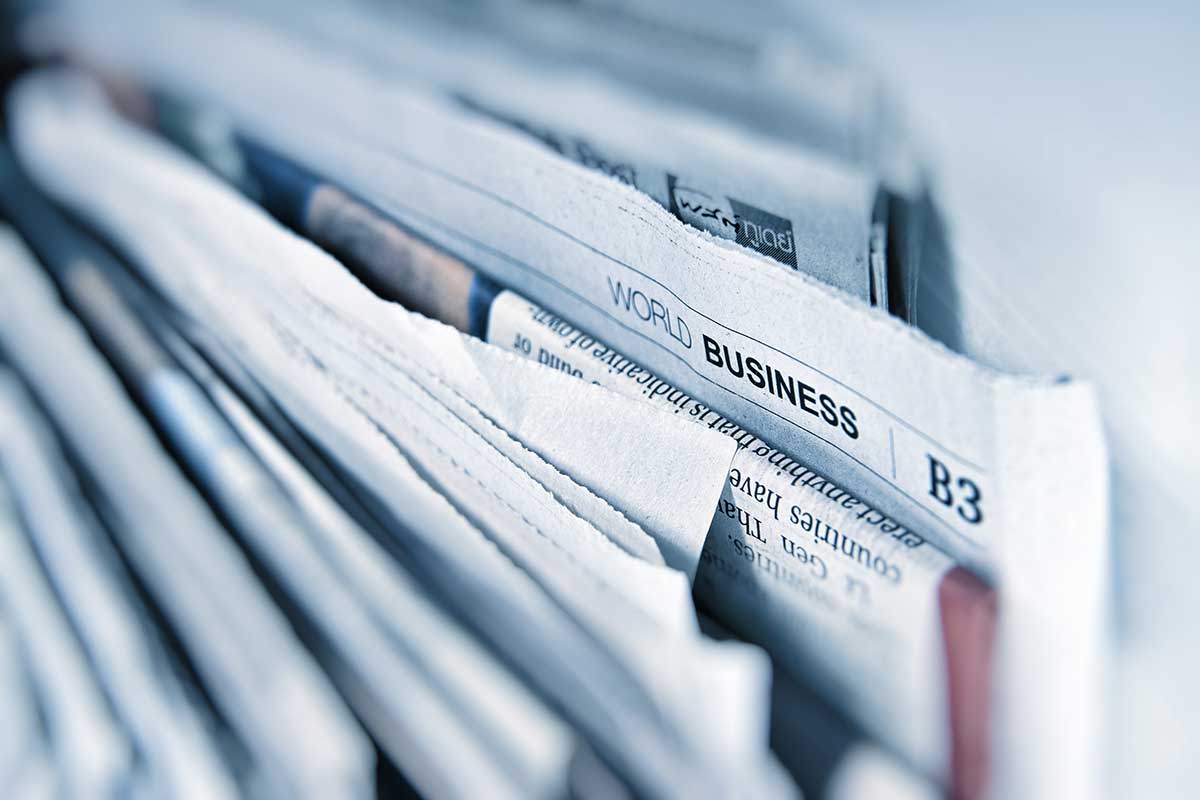
Beyond your own channels, press relations and influencer outreach can greatly boost your event’s visibility. Identify relevant journalists, bloggers, and content creators, and provide them with engaging materials such as press releases, visuals, interviews, or exclusive access. Though time consuming, this PR work enhances your event’s credibility and often helps you reach new audiences.
Organise all your associative, personal or corporate events with Weezevent’s online solutions, online registration and ticketing system, access control, cashless payments and CRM tools, easy to use and integrate!