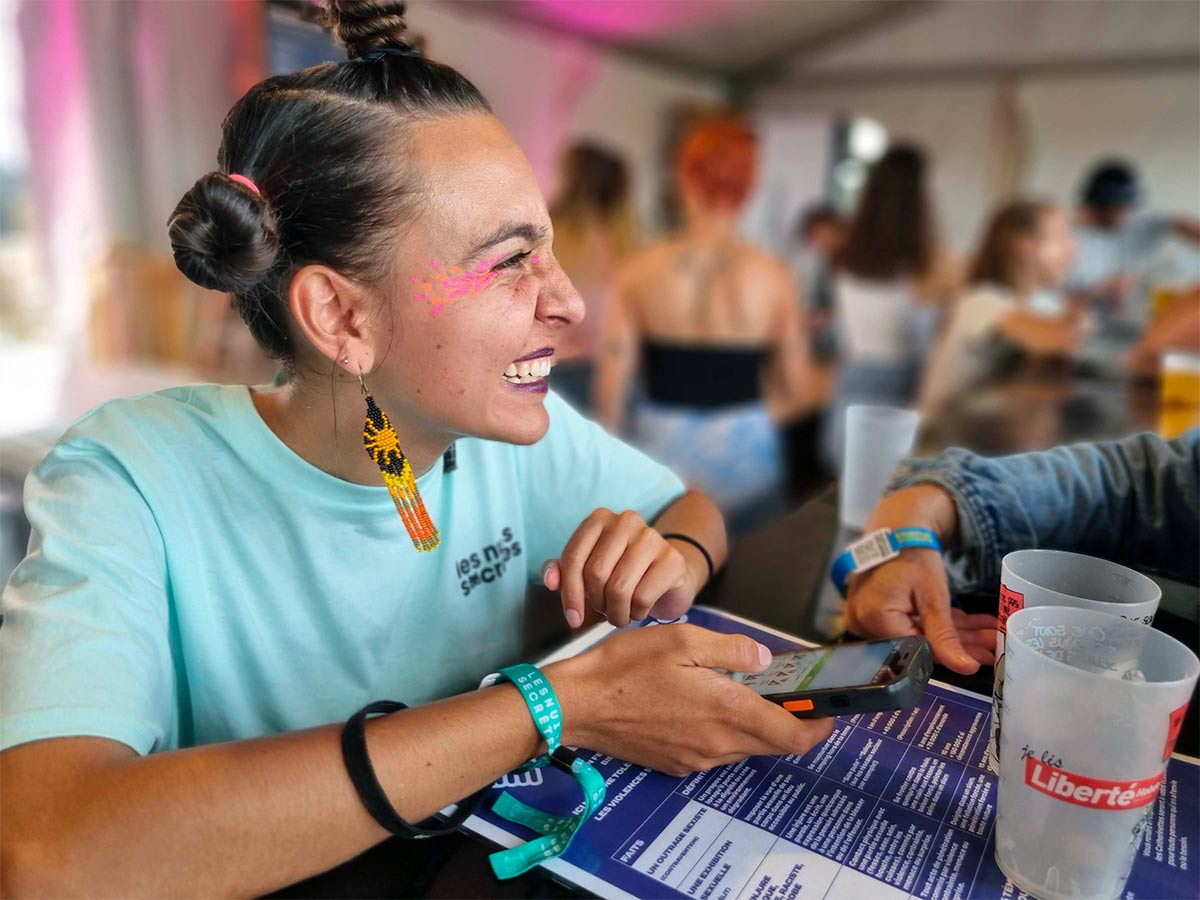
Event organization increasingly relies on gamification, a relatively new concept that has become essential for standing out and delivering a more personalized experience. Gamification is now a key lever to differentiate your event and create stronger engagement with your audience. Integrating gamification into your event strategy can help build excitement and anticipation among attendees, making your event more memorable from the outset.
Whether it is a corporate, cultural, sports, or music event, virtual or in person, you should consider placing gamification at the core of your project across all stages of your event. Event management and event technology play a crucial role in supporting gamification across in-person, virtual, and hybrid events, enabling seamless integration and enhanced attendee engagement. It can be used before the event to win tickets, during the event to engage participants, and after to extend the experience.
Summary
1. Understanding the concept of gamification
Gamification is the use of game elements and mechanics in various contexts and events to engage and motivate participants. Understanding gamification is essential if you want to create a more interactive and memorable event experience. Key elements of effective event gamification include the right gamification techniques and gamification elements that align with your event objectives, such as boosting sponsor traffic or attendee engagement.
These mechanics can include challenges with rewards, competitions, quizzes, and social media contests. The goal of gamification is to increase participation, engagement, and loyalty through interactive experiences. Clearly communicating the game rules to participants is crucial to ensure everyone understands how to play and what rewards they can earn, which enhances engagement and the overall success of the event.
Gamification can be applied across many sectors, from marketing to education. It can range from simple badges to advanced systems with levels, missions, and personalized rewards. Effective gamification strategies utilize psychological drivers like competition, achievement, and social connection to engage participants.
2. Understanding your audience and event objectives
A successful event gamification strategy starts with a deep understanding of your audience and clear event objectives. By analyzing attendee demographics, interests, and engagement patterns, event organizers can design gamification strategies that truly resonate. For example, younger audiences may respond well to interactive games and social media engagement, while business professionals might prefer team-based challenges that foster networking and meaningful connections.
Aligning game elements with your event goals is equally important. If your objective is to increase booth visits and exhibitor engagement, consider incorporating booth visit challenges or scavenger hunts that reward attendees for visiting sponsor booths. These activities not only drive participation but also boost engagement with exhibitors and sponsors, creating memorable experiences for all involved. Alternatively, if your goal is to encourage attendees to network, team-based challenges or themed games can help break the ice and promote collaboration.
By thoughtfully matching gamification strategies to both your audience and event objectives, you can encourage attendees to actively participate, drive event engagement, and achieve your event goals. Whether you want to reward attendees for social media activity or incentivize booth visits, a tailored approach ensures your gamified experiences are both impactful and memorable.
3. Personalizing the gamification experience for attendee engagement
To maximize the impact of gamification, it is essential to personalize the experience based on your audience’s profile and preferences.
Using tools such as mobile apps, quizzes, and surveys allows you to collect valuable data before the event. By gathering feedback from active participants during and after the event, you can further personalize event content and improve future experiences. This data enables you to create tailored gamification experiences that match participant expectations.
Gamification also helps you better understand your audience and track engagement. It is a powerful tool to build a qualified database and strengthen your future marketing campaigns.
4. Integrating gamification strategies across all stages of your event

For an effective strategy, event gamification should be integrated before, during, and after your event to drive attendee engagement and foster engagement throughout the event lifecycle.
Before the event, you can launch challenges or competitions to generate interest. Incorporating games and interactive features such as polls, quizzes, and digital scavenger hunts helps build excitement, incentivise attendees, and enhance engagement even before the event begins. Pre-event gamification helps build anticipation and increase attendance.
During the event, create interactive moments such as quizzes, games, or networking activities. Event activities like attending sessions, visiting exhibitor booths, and participating in friendly competition through leaderboards or team challenges can significantly enhance engagement during the live event. Mobile apps serve as the central hub for gamification, enabling participants to access event content, play games, respond to polls, and receive notifications about new challenges and rewards. Digital passports can incentivise booth visits by allowing attendees to collect virtual stamps for rewards, while real-time analytics monitor engagement and highlight the popularity of activities. Gamified events and gamified event experiences can see up to 48% more engagement compared to non-gamified ones, making them highly effective for fostering engagement and incentivising participation. Live gamification keeps participants engaged and enhances the overall experience.
After the event, continue interacting with your audience through rewards or content sharing. Post-event gamification helps maintain engagement and extend the lifecycle of your event by gathering feedback, sharing event content, and using real-world examples to improve future hybrid events, virtual events, and in person events.
5. Implementing gamification tools and technologies

Leveraging the right tools and technologies is essential for delivering engaging and interactive gamified experiences at your next event. Event organisers now have access to a wide range of solutions, from event apps to cutting-edge augmented reality (AR) and virtual reality (VR) platforms, all designed to enhance attendee engagement and event engagement.
An event gamification app can serve as the central hub for your gamified activities, allowing participants to track their progress, receive immediate feedback, and earn rewards in real time. These apps can facilitate interactive games, scavenger hunts, and booth visit challenges, making it easy for attendees to participate actively throughout the event. Augmented reality and virtual reality technologies can take engagement to the next level by creating immersive experiences—imagine a virtual scavenger hunt that guides attendees through both physical and virtual environments, or interactive games that blend digital and real-world elements.
Social media also plays a crucial role in extending gamification beyond the event venue. Encourage attendees to share their achievements, complete tasks, and connect with others online to foster a sense of community and increase event visibility. By integrating these technologies, event organisers can create seamless, interactive experiences that keep attendees engaged and excited from start to finish.
6. Measuring and evaluating gamification success
To ensure your event gamification strategies are effective, it’s vital to measure and evaluate their impact using data-driven insights. Start by tracking key metrics such as attendee engagement, participation rates, booth visits, and social media engagement. Event apps and gamification platforms can provide real-time data collection, allowing you to monitor which gamified elements are driving the most participation and which activities are creating memorable experiences.
Analyzing this data helps event organizers understand participant behavior and assess how well gamification strategies align with event objectives. For example, if booth visit challenges lead to increased sponsor engagement, or if social media contests generate buzz and brand awareness, these are clear indicators of success. Gathering feedback from attendees through surveys or in-app polls can also provide valuable insights into what worked well and what could be improved for future events.
By continuously evaluating your gamification efforts, you can refine your approach, boost engagement, and ensure that each event delivers even greater value. Effective measurement not only helps you achieve your current event goals but also informs the design of more impactful gamified experiences for your next event.
7. Real world examples of gamification for events
Here is a non-exhaustive list of gamification ideas that showcase key gamification elements and techniques:
- Virtual badges and rewards: Offer digital rewards for completing challenges. This gamification element creates a sense of achievement and encourages active participants to engage more fully.
- Quests or treasure hunts: Design interactive event activities across your event. These activities use gamification techniques to increase engagement and encourage active participants to explore and interact more deeply.
- Points and leaderboard systems: Implement a scoring system with rankings. Leaderboards are a classic gamification element that create competition and motivate participants to stay active.
- Interactive quizzes: Organise live quizzes with rewards. Quizzes are event activities that use gamification techniques to engage large audiences in a fun and memorable way.
- Virtual or augmented reality activities: Create immersive experiences using new technologies. These event activities attract attention and offer a unique event experience through innovative gamification elements.
- Collaborative challenges: Encourage teamwork with group activities. Collaboration strengthens connections between participants and enhances engagement using proven gamification techniques.
Always adapt your gamification strategy to your audience, the context of your event, and your objectives.
Do not forget to plan a dedicated budget, especially if you rely on external providers. A well-planned budget ensures smooth execution of your gamification strategy.
Gamification is a powerful tool to transform your event into an engaging and memorable experience.
Optimize your operations and save time when planning your event with Weezevent’s online solutions, including ticketing, access control, cashless payments, and marketing and CRM tools.
With the right tools and strategy, you can create a fully interactive event that keeps participants engaged before, during, and after. If you are also looking to organise your own event, Weezevent offers a complete suite of solutions, including online ticketing, registration systems, access control, cashless payments, and CRM tools to help you manage your event from start to finish.