In the highly competitive event and festival marketing sector, having a well-thought-out ticket sales strategy is the cornerstone of lasting success for any event organiser. You can significantly boost your sales and audience engagement by adopting varied approaches tailored to your specific needs. We will detail different ticketing strategies, each designed to optimise your revenue, effectively manage demand and maintain your audience’s interest throughout the sales period.
Summary
Prioritise data and pre-registrations
Gather and use customer data
To kickstart any ticket sales campaign, gathering customer data is crucial. Your event’s ticket shop is the ideal place to collect information such as personal details, contact information, and preferences. This data enables targeted marketing efforts, personalised email campaigns, and better engagement with your audience.
Pre-registration
Pre-registration serves multiple vital functions: it gauges interest, builds anticipation, and collects valuable attendee data even before tickets go on sale. This early engagement allows you to tailor marketing efforts to a receptive audience, ensuring targeted and efficient communication. Additionally, offering incentives like early access to tickets for pre-registered users can significantly boost the number of sign-ups, creating a ready pool of potential buyers and enhancing the overall success of the ticket sales campaign by driving early momentum and sustained interest.
Choose a sales strategy
Early/Regular/Late strategy
This three-tier approach releases all tickets simultaneously at different price points. After a certain period of time, each tier is set to SOLD OUT, thereby increasing the sense of urgency as time passes:
- Early Bird: Targets loyal fans with discounted tickets before announcing the official lineup.
- Regular Bird: Begins after the lineup announcement, capitalising on the newly interested broader audience.
- Late Bird: Offers remaining tickets at a higher price to last-minute buyers, leveraging urgency.
Why choose this strategy?
Choose this strategy if you want to reward early supporters, generate early revenue and cater to different purchasing behaviours. It’s ideal for events with a dedicated fan base, allowing you to manage cash flow and build anticipation in stages.
Ticket release phasing strategy
Not all tickets are released at once, which is the case with the early/regular/late strategy, but in this strategy tickets are sold in phases leading up to the event:
- Announcement Phase: Generates initial excitement.
- Early Phase: Offers limited discounted tickets.
- General Sale: Opens to the public with regular pricing.
- Lineup Release: Boosts sales with lineup announcements.
- Final Phase: Captures last-minute sales with higher prices.
Opt for this strategy to maintain steady interest and excitement over a longer period, by making tickets scarce. It helps in managing demand, gathering valuable data, and allows flexibility in adjusting marketing tactics based on sales performance. This approach is suitable for events that need to build momentum gradually and target different audience segments at each stage.
All-year-round strategy
Continuous ticket sales throughout the year, with strategic pauses and relaunches aligned with key marketing moments, ensure steady revenue and sustained engagement. This strategy leverages special occasions, personalised offers, and continuous communication to maintain audience interest. Therefore this is a combination of the Ticket Release Phasing strategy and Early/Regular/Late strategy, with the key difference being that the ticket sales are all-year round.
Choose this strategy for large, recurring events where maintaining a continuous dialogue with your audience is crucial. It helps in creating a constant revenue stream, keeping your brand top-of-mind and building a loyal community. This approach is perfect for events that aim to sustain long-term engagement and capitalise on various promotional opportunities throughout the year.
Open/Close strategy
Ticket sales open for a limited time, close, and then reopen later. This creates urgency and excitement but requires careful timing and effective promotion to avoid alienating potential attendees.
This strategy is ideal for events that thrive on exclusivity and urgency. It works well when you want to create multiple peaks of interest and buzz around your event. It’s particularly effective for high-demand events where scarcity can drive quicker purchasing decisions. However, it requires precise execution and strong marketing to avoid potential attendee frustration.
Timing and best practices
Determine optimal timing
The timing of your ticket sales launch depends on various factors, including your event’s brand strength and competition. Generally, large festivals launch sales 4-5 months in advance, clubs 2-3 months and concerts 6-9 months.
Best days
This what our data says about the best days to go live:
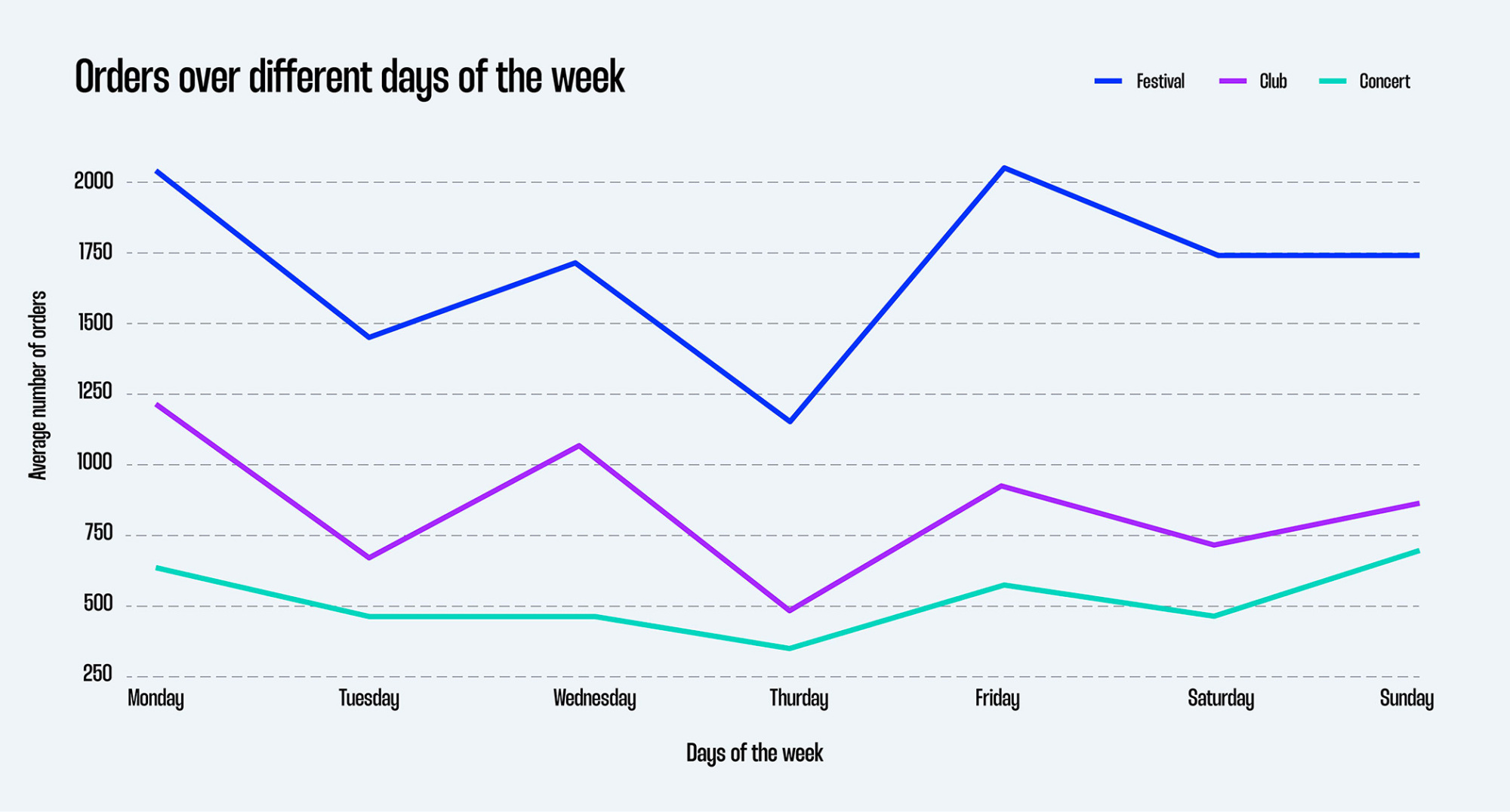
- Overcoming the Monday Blues: Mondays are often associated with the “Monday blues,” where people are seeking something to look forward to after the weekend. Launching ticket sales on a Monday can tap into this mindset, as potential attendees are more likely to be searching for upcoming events to lift their spirits. This psychological boost can translate into higher engagement and sales.
- Midweek Planning: Wednesdays are a strategic choice because they represent a midweek opportunity for people to plan their upcoming weekends or future activities. By midweek, individuals often start considering their social plans, making it an ideal time to introduce them to your event. Additionally, it allows sufficient time for the news to spread through word-of-mouth before the weekend.
💡Tip: Also don’t forget to consider the workload required for a successful launch. If you choose a Friday launch, be prepared for a busy weekend maintaining the hype. Based on the observed patterns, we advise to go live on Monday or Wednesday.
Best times
This is what our data says about the best times:
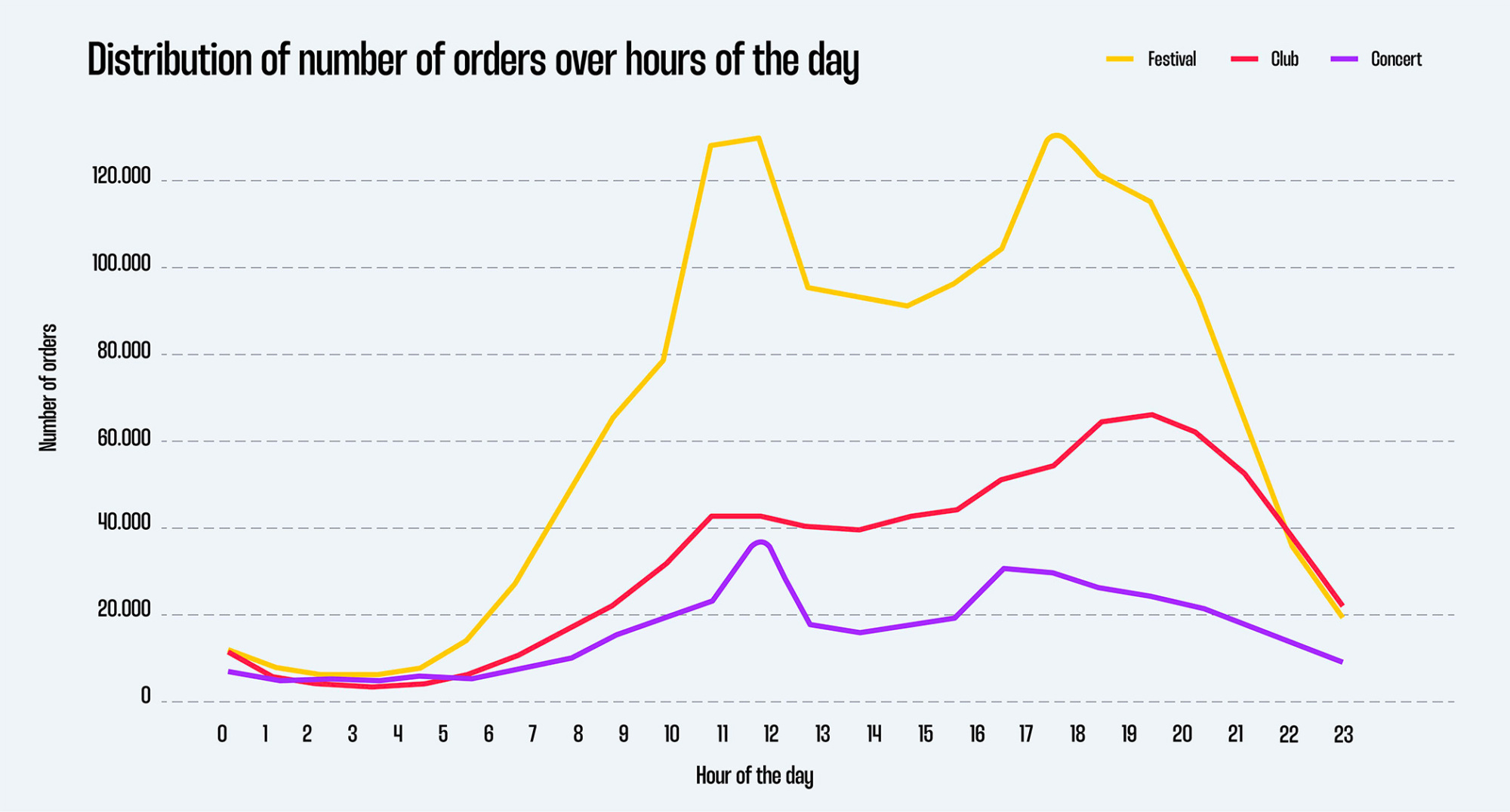
- Morning Breaks: 10:00 – 12:00 AM: Many people take their first significant break of the workday during the late morning hours, specifically between 10:00 and 12:00 AM. This time is often used to check personal emails, browse social media, and catch up on non-work-related activities. By launching ticket sales during this period, you reach potential buyers who are more likely to be receptive and have the time to make purchasing decisions.
- Post-Work Hours: 17:00 – 19:00 PM: The hours between 17:00 – 19:00 PM coincide with the end of the typical workday for many individuals. This period is when people transition from work to their personal time, often checking their emails and social media on their commute home or as they unwind. Launching ticket sales at this time takes advantage of this shift in focus, as people are more relaxed and likely to consider leisure activities, including purchasing event tickets.
Engage your audience
Different Types of Tickets
Offering different ticket types (Early Access, Early Bird, Regular Bird, Late Bird, Group Tickets) helps stimulate early sales, provide security, and expand your audience.
Maintain the engagement
To keep momentum in ticket sales:
- Launch teaser campaigns and pre-launch lists.
- Coordinate announcements across all channels.
- Use interactive content and exclusivity to maintain interest.
- Introduce mid-campaign refreshes with new artists or elements.
- Utilise targeted ads based on collected data.
- Implement countdowns and last-minute offers to drive final sales.
Prepare for future events
Immediately after your event, launch ticket sales for the next edition. Use post-event engagement to share highlights, gather feedback, and offer early bird sign-ups for future events.
Use data and analytics from your ticket sales to refine your strategy. Compare sales patterns across events to adjust marketing efforts and ensure continuous improvement.
A well-executed ticket sales strategy involves understanding your audience, choosing the right sales approach, timing your launch effectively, maintaining engagement, and planning for future events. By adopting these strategies, event organisers can enhance their event’s success, maximise revenue, and build a loyal and engaged community.
We want to help event organisers navigate the complexities of ticket sales, ensuring that each event is not only successful but also sets the stage for future growth and engagement.