
The events industry offers a wide range of opportunities for professionals interested in organisation, creativity, and business strategy. From corporate events and corporate conferences to sporting events, local events, and global events, the role of an event organiser is to design, coordinate and deliver structured experiences for different audiences.
Understanding how to become an event organiser requires more than creativity. The event management industry is a competitive industry where structured thinking, practical experience and strong transferable skills are essential.
Whether you want to become an event planner, start an events management business, or work on high profile projects, here are the 7 key steps to build a sustainable career in event management.
Summary
1. Understand the structure of the events industry
Before you become an event organiser, you need to understand how the industry operates.
The event planning industry includes a wide variety of events:
- corporate events
- Festival
- networking events
- brand activations
- sporting events
- Concert
- Trail or race
- local events
- internal business events
- community initiatives
Each format requires specific planning methods, operational knowledge, and coordination between suppliers, venues and stakeholders. An event manager plays a key role in aligning logistics, communication, attendee expectations and business objectives. The event management industry values professionals who understand how events support marketing, brand positioning, knowledge sharing and relationship building.
Understanding how the industry functions helps clarify which types of events you want to manage and what expertise you need to develop.
2. Develop the essential skills required for event management
To become an event planner, developing the right combination of technical and interpersonal skills is critical.
Core competencies include:
- time management
- organisation
- communication
- coordination
- problem solving
- decision making
- adaptability in a fast paced environment
- attention to detail
These soft skills allow an event organiser to anticipate risks and ensure each event runs smoothly. Strong event management also requires practical capabilities such as:
- budget management
- supplier coordination
- venue selection
- managing attendees
- creating structured event schedules
- applying marketing principles
- evaluating event performance
Many professionals enter the industry with transferable skills from hospitality, communications, operations or project management roles.
These relevant skills help future event managers manage complexity and deliver successful events.
3. Build practical experience in event planning
Practical learning remains the most effective way to gain experience in the event planning industry.
Early practical experience can include:
- internships
- assistant roles
- volunteer work
- supporting local events
- organising small projects
- coordinating student or community initiatives
- contributing to corporate events
- assisting with conferences
Hands on experience helps develop transferable skills and understand how managing events works in real conditions. You will learn how to deal with logistics, suppliers, attendee expectations and operational constraints such as deadlines or unexpected weather changes.
This type of relevant experience is essential if you want to become an event organiser with credibility.
4. Learn how to plan structured and successful events
Strong event planning provides the foundation for successful events. Every event organiser must be able to:
- define objectives aligned with business needs
- identify the target audience
- structure timelines
- coordinate suppliers
- manage event schedules
- select the right venue
- anticipate risks
- ensure the experience meets attendee expectations
Planning also involves balancing creative ideas with operational feasibility. Professionals working on corporate conferences, festivals, or sporting events must maintain consistency between concept, logistics and execution. The ability to combine structure with flexibility is a defining characteristic of an effective event manager.
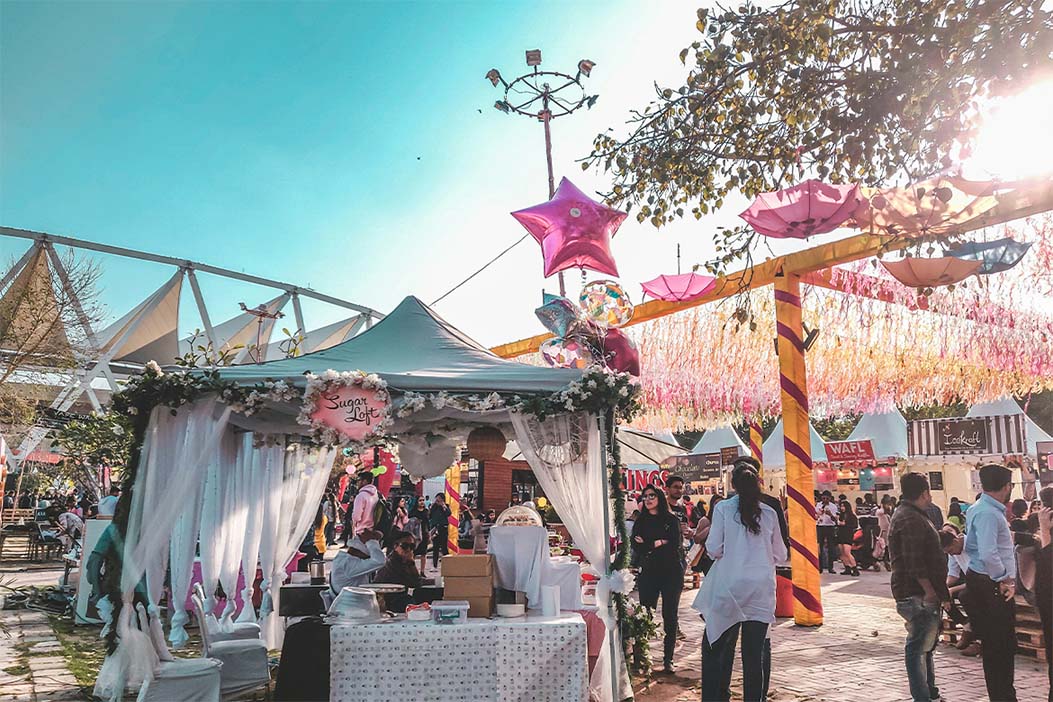
5. Build industry contacts and create networking opportunities
Networking plays an important role in developing a successful career in the events industry. Each project creates networking opportunities that allow professionals to:
- build contacts
- connect with industry experts
- identify job opportunities
- meet potential clients
- collaborate with suppliers
- discover new venues
Strong industry contacts help an event organiser access better resources, improve negotiation conditions and gain visibility. Participating in conferences, trade shows or professional gatherings can accelerate learning and open access to high profile events.
Relationships remain one of the most valuable assets in the event management industry.
6. Understand the marketing and business dimension of events
Beyond logistics, an event organiser must understand how events contribute to wider marketing and business strategies. Many organisations invest in events to:
- generate leads
- build relationships
- position a brand
- support product launches
- create memorable experiences
- strengthen communities
- produce press clippings
- engage attendees
Understanding the commercial dimension of events allows professionals to align event objectives with measurable outcomes. This perspective is particularly important for corporate events, corporate conferences and large-scale events.
Professionals who combine operational rigour with commercial awareness are more likely to progress into senior roles or launch their own events management business.
7. Use professional tools to manage events efficiently
Digital tools have become essential for managing events efficiently and ensuring consistency across projects. Technology supports:
- attendee registration
- ticketing
- data collection
- communication
- reporting
- access management
- attendee journey optimisation
Weezevent provides solutions adapted to the needs of modern event organisers.
WeezTicket helps manage registrations and ticketing for different types of events, including corporate events, conferences, sporting events and global events.
WeezAccess simplifies check-in and helps manage attendee flows efficiently on site.
Using structured tools allows an event manager to reduce manual processes and focus on delivering high quality event experiences.
Professional platforms also support marketing, performance analysis and long-term attendee engagement.
Understanding how to become an event organiser requires a combination of structured learning, practical experience and continuous skill development. Building expertise in event planning, developing transferable skills and gaining hands-on experience across different types of events allows professionals to manage attendees, coordinate suppliers and ensure event schedules run smoothly. From local events to global events, every step contributes to building confidence and delivering successful events aligned with business objectives.
With Weezevent, event organisers can simplify event management thanks to online registration solutions, online ticketing, access control and advanced CRM tools. These solutions help professionals focus on delivering memorable experiences while ensuring events run smoothly in a fast paced industry.